

What Are the Best Ways to Keep Lizards Out of Your Home?

What Are the Best Ways to Keep Lizards Out of Your Home?
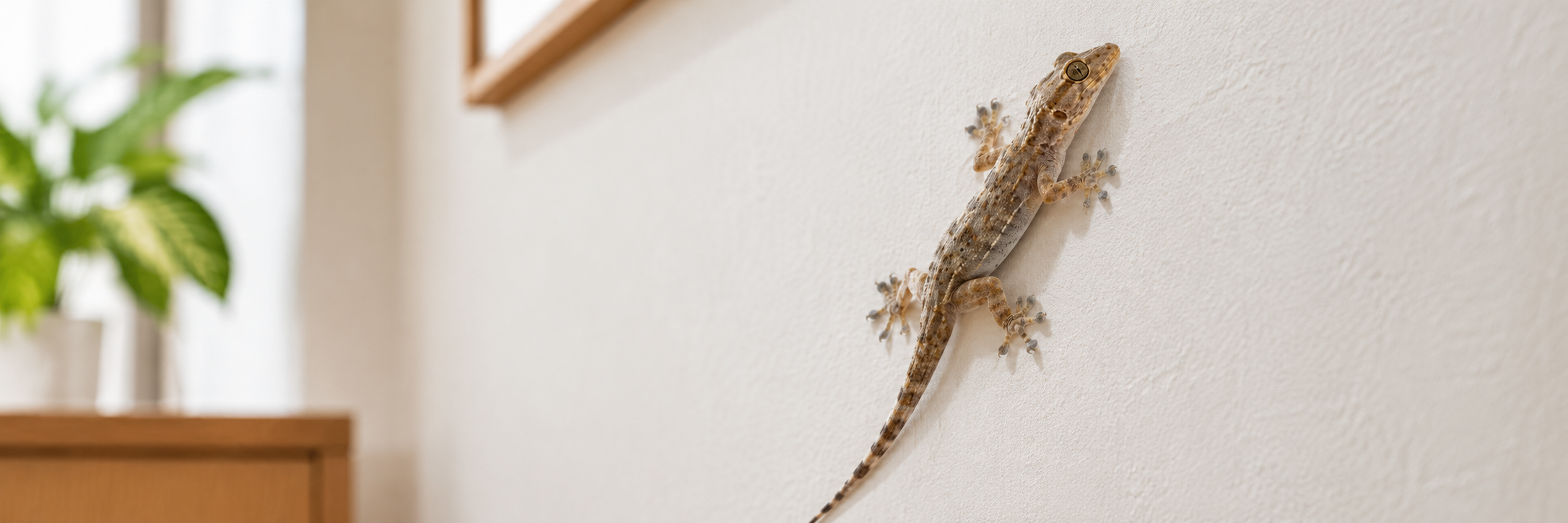
Seeing a lizard on a kitchen wall or near a bedroom light is common in many Indian homes. Although most house lizards are generally harmless to people, their presence can be uncomfortable, and their droppings may contaminate surfaces where food is prepared or stored. The best way to keep them out is to reduce the insects they feed on, block their entry points, and remove places where they can hide.
Homeowners dealing with recurring lizard activity can learn about Best Lizard Control Service in Coimbatore to understand how inspection, targeted treatment, and preventive measures can help. For broader information about residential pest management, pest control services in Coimbatore from Paradise Pest Control also cover common pest concerns for homes and businesses. However, many useful prevention steps can begin with simple changes to household cleaning and maintenance.
Why Do Lizards Enter Homes?
Lizards usually enter homes in search of food, shelter, and suitable hiding places. Small insects such as flies, moths, mosquitoes, and other bugs can attract them indoors, especially when outdoor lighting draws insects close to doors and windows.
Warm conditions, gaps around windows, cluttered storage areas, and cracks in walls can also make a house suitable for lizards. They may hide behind cupboards, refrigerators, curtains, ceiling fixtures, or other undisturbed spaces during the day and become more noticeable when insects are active.
In Coimbatore, homeowners may notice lizards around balconies, kitchens, utility areas, and outdoor lights. The exact level of activity depends on the building, surrounding vegetation, lighting, insect availability, and possible entry points. A lizard appearing occasionally does not necessarily mean there is a major infestation, but repeated sightings can indicate that the home offers easy access to food or shelter.
The most effective approach is to understand why lizards are entering instead of simply trying to chase away the ones you can see. Removing the conditions that attract them can make the home less inviting over time.
What Are the Most Effective Ways to Keep Lizards Out?
Preventing lizards requires attention to several parts of the home. A single repellent or cleaning method may provide only temporary relief if insects continue to gather indoors or openings remain unsealed.
Reduce the Insects That Attract Lizards
Food is one of the main reasons lizards visit homes. If lights attract flying insects or food waste supports insect activity, lizards may remain nearby because their food source is readily available.
Keep kitchen counters clean, dispose of food scraps promptly, and empty rubbish bins regularly. Wash dishes instead of leaving them overnight, and clean behind appliances where crumbs and grease can collect. These habits reduce conditions that attract insects.
Lighting also matters. Bright outdoor lights placed close to open windows or entrances can attract flying insects after dark. Where practical, position outdoor lights away from doors and windows or use suitable warm-coloured bulbs designed to reduce insect attraction. Keep doors and windows closed when lights are on indoors, or use well-fitted insect screens.
Reducing insects does not guarantee that lizards will disappear immediately, but it removes one of the main reasons they may continue visiting a property.
Seal Cracks, Gaps, and Other Entry Points
Lizards can enter through small openings around doors, windows, ventilation areas, pipes, and utility connections. Inspect these locations carefully, especially if lizards repeatedly appear in the same room.
Repair damaged window screens, fit suitable door sweeps, and seal gaps around pipes or wall joints with appropriate materials. Make sure ventilation openings have properly fitted mesh that allows sufficient airflow while limiting pest entry.
Check the spaces around air-conditioning pipes, exhaust fans, bathroom vents, and balcony doors. Even a well-maintained home may have small openings that are easy to overlook. Sealing these gaps helps reduce access for lizards as well as the insects they follow.
Avoid blocking essential ventilation or drainage openings completely. Use a suitable protective covering or sealing method that preserves the function of the opening.
Keep Kitchens and Storage Areas Clean
Lizards often appear in kitchens because insects may gather near food, sinks, rubbish bins, and damp areas. Keeping these spaces clean reduces insect activity and makes hiding places easier to identify.
Wipe spills as soon as they occur, store food in closed containers, and avoid allowing waste to accumulate. Check beneath the sink for leaks and keep the area dry. If insects repeatedly appear near drains or cupboards, identify the source rather than relying only on surface cleaning.
In storerooms, arrange boxes and containers neatly so that walls and corners remain accessible. Reduce unnecessary cardboard, paper piles, and unused items that create sheltered spaces. Leave a small gap between stored items and walls where practical so that you can inspect and clean behind them.
These measures work best when maintained consistently. A single deep clean may improve conditions temporarily, but regular housekeeping is more useful for preventing insects and reducing places where lizards can hide.
Manage Outdoor Areas and Moisture
Balconies, gardens, utility spaces, and exterior walls can become places where insects gather. Lizards may stay close to these areas and enter through nearby openings when they find food or shelter.
Remove unused containers, dry leaves, and unnecessary clutter near doors and windows. Trim vegetation that touches the building, and keep outdoor storage areas organised. Check for stagnant water and leaking taps, since damp conditions can encourage some insects to gather.
Inspect outdoor lights and the walls around them after dark. If many insects collect in one place, changing the light position or reducing unnecessary lighting may help. Avoid using pesticides outdoors without checking that the product is suitable for the location and following its safety instructions.
Use Repellents Carefully
Some homeowners try home remedies such as strong-smelling substances or commercially available lizard repellents. However, the effectiveness of home remedies can vary, and there is limited reliable evidence that many commonly shared remedies provide lasting control.
Do not assume that placing eggshells, coffee grounds, or strong-smelling ingredients around the house will reliably keep lizards away. These methods may fail to address the insects, hiding places, or openings that attract them in the first place.
If you choose a commercial repellent, read its label carefully and use it only for the intended purpose. Keep products away from food, children, and pets as directed. Never mix household chemicals or spray products directly onto lizards unless the product is specifically approved for that use.
Common Mistakes That Allow Lizards to Return
Many homeowners focus on removing a visible lizard but overlook the conditions that brought it indoors. If the source of the problem remains, another lizard may enter the same space later.
Common mistakes include:
Ignoring insect activity: Leaving flying insects around lights, uncovered food, or waste can continue attracting lizards.
Leaving entry points open: Small gaps around doors, windows, pipes, and vents allow lizards to enter even after the existing ones are removed.
Relying entirely on home remedies: Unverified repellents may offer little lasting benefit if the underlying conditions remain unchanged.
Allowing clutter to accumulate: Stacked boxes, unused materials, and crowded storage areas create sheltered spaces that are difficult to inspect.
Using chemicals without checking safety instructions: Incorrect application can expose people and pets to unnecessary risks without solving the problem.
A better approach is to combine cleaning, insect reduction, and entry-point management. If lizards keep appearing in the same area, inspect that location at different times of day to identify nearby insects, openings, or sheltered spaces.
When Is Professional Lizard Control Worth Considering?
Occasional sightings may be manageable through routine cleaning and home maintenance. However, professional help may be useful when lizards appear frequently, several rooms are affected, or the source of entry is difficult to identify.
A professional inspection can help identify likely hiding places, entry points, and insect activity that may be attracting lizards. The appropriate treatment depends on the property and the conditions found during the inspection.
Paradise Pest Control describes its lizard management approach as including inspection, targeted treatment, entry-point prevention, and follow-up recommendations. Its service information also refers to professional repellents and monitoring methods where appropriate. These measures are intended to address the underlying problem rather than focusing only on visible lizards.
Before arranging treatment, ask what areas need preparation and what precautions are necessary for children, pets, and food preparation spaces. Follow the technician’s instructions and the product label, particularly regarding ventilation and when it is safe to re-enter a treated area.
Professional treatment should also be supported by household prevention. Keeping insects under control, maintaining screens, and sealing suitable openings can reduce the chance of lizards returning.
Frequently Asked Questions
1. What is the best way to keep lizards out of the house?
Reduce insects, seal gaps around doors and windows, keep kitchens clean, and remove clutter from storage areas. These steps make the home less attractive to lizards and reduce opportunities for entry.
2. Why do lizards keep coming back to my home?
Lizards may return because insects remain available as food or because entry points and hiding places have not been addressed. Inspect outdoor lights, window screens, wall gaps, and areas where insects gather.
3. Do lizards hate the smell of garlic or eggshells?
There is insufficient reliable evidence that garlic, eggshells, or similar home remedies consistently repel lizards. Reducing insects and blocking entry points are more dependable prevention measures.
4. Are house lizards dangerous to humans?
Most common house lizards are not aggressive and generally avoid people. However, their droppings can contaminate food preparation surfaces, so clean affected areas carefully and wash your hands afterwards.
5. When should I call a professional for lizard problems?
Consider professional help if lizards appear frequently, multiple areas are affected, or you cannot identify how they are entering. An inspection can help identify hiding places, entry points, and conditions attracting them.
Conclusion
The best ways to keep lizards out of your home involve removing the conditions that attract them, reducing insect activity, sealing entry points, and maintaining clean, organised spaces. Repellents and home remedies should not replace these basic preventive measures, particularly when lizards continue to return.
For persistent problems, professional inspection can help determine which areas need attention and what treatment is appropriate. Paradise Pest Control states that it has over 20 years of experience and has served more than 5,500 clients across residential, commercial, and industrial settings.
If you want to explore more practical prevention advice, read our guide on keeping lizards out of your home with simple preventive measures. For recurring lizard problems, you can also reach the team through the official contact page to discuss your property’s requirements and make an informed decision.