
How Professional Fly Control Services Protect Commercial Properties

How Professional Fly Control Services Protect Commercial Properties
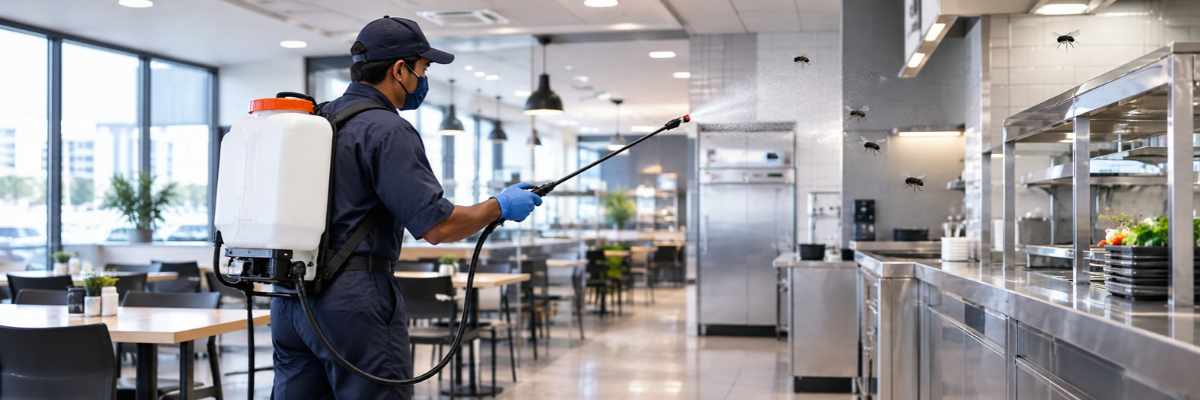
Professional fly control services are one of the most reliable ways to protect a commercial property from one of its most damaging pests. Flies spread germs, put off customers, and can lead to failed hygiene inspections. If you run a restaurant, hotel, hospital, warehouse, or any other place where food and people come together, a trusted Flies Control Service in Coimbatore helps you stop infestations early, before they affect your customers, your staff, or your reputation.
This guide explains why flies are such a risk for commercial properties and how a professional team deals with them.
Why Commercial Properties Need Professional Fly Control Services
Most business owners treat flies as a minor annoyance, something a few swats or a spray can handle. The trouble is that flies multiply far faster than people expect. A single female can lay hundreds of eggs, and in warm weather those eggs turn into adult flies within days. By the time you see a crowd of them near the bins or the kitchen door, the real breeding source has usually been active for a while.
They Carry Germs Into Places Where Food Is Handled
Flies spend their time on garbage, open drains, and rotting waste, then move straight onto your counters, utensils, and food. Along the way they can pick up and spread bacteria like E. coli and Salmonella. In a restaurant, hospital, or food factory, that is a real health concern and not just a cosmetic one.
One Sighting Can Cost You a Customer
People remember what they see. A fly in the dining area, the hotel lobby, or the clinic waiting room makes a visitor wonder what the kitchen or the back rooms look like. Reviews travel fast, and hygiene complaints are the hardest ones to undo.
Inspections Don’t Overlook Pests
Food safety audits and hygiene checks look closely at pest management. An active fly problem, or the lack of any pest control records, can lead to failed audits, fines, and in serious cases a temporary shutdown.
Why DIY Fixes Rarely Match Professional Fly Control Services
Sprays, sticky strips, and fly swatters do have a place at home. In a commercial setting they mostly deal with the flies you can already see, while the source keeps producing more. That’s why many owners feel like they are fighting the same problem every week. Working with experienced pest control services in Coimbatore means the cause gets treated, and not just the symptoms.
Technicians Who Know How Flies Behave
A trained technician knows that a housefly, a drain fly, and a fruit fly each breed in different places and need different treatment. They know to check under equipment, inside floor drains, around waste areas, and in storage rooms, which are places most people never look. Getting the identification right is half the job.
Treatments That Suit the Space
What works in a warehouse would be wrong for a hospital kitchen. Professionals pick methods based on the species, the layout, and how the space is used, and they apply them with the safety of staff, customers, and stored goods in mind.
How Professional Fly Control Services Work, Step by Step
Professional fly control services follow a clear process. Here is what you can expect.
1. A Thorough Inspection
The technician walks through your premises and looks for fly activity, breeding spots, and the gaps or doorways flies use to get in. Waste handling, drainage, ventilation, and storage habits are all part of the check.
2. A Plan Built Around Your Property
No two businesses are the same. A cloud kitchen, a five-storey hotel, and a cold storage unit each get a plan that fits their size, layout, and risks.
3. Removing the Source, Then Treating the Flies
Breeding sources come first: damp organic waste, clogged drains, and bins that don’t close properly. After that, targeted treatments such as baits, residual applications, and insect light traps bring the existing fly population down.
4. Closing the Door on Future Infestations
The technician will usually suggest practical changes, like sealing gaps, fitting door sweeps, tightening waste routines, and keeping drains clean. These small fixes make a big difference over time.
5. Follow-Up Visits and Proper Records
Fly control is not a one-time job. Return visits confirm the treatment is holding and catch early signs of trouble. The service records also come in handy when an auditor asks for proof of regular pest management.
How Different Businesses Benefit from Professional Fly Control Services
- Restaurants, cafés, and cloud kitchens: Safer food handling and a cleaner dining experience.
- Hotels and resorts: Happier guests and better online ratings.
- Hospitals and clinics: Lower contamination risk in sensitive areas.
- Warehouses and food factories: Protection for stored stock and easier compliance with hygiene standards.
- Offices and retail stores: A cleaner, more professional environment for staff and visitors.
How to Choose the Right Fly Control Provider
It’s tempting to go with the lowest quote, but a few minutes of checking can save you a lot of trouble later.
Look for Real Experience
Ask how long the company has been working and whether it has handled businesses like yours. Local experience matters because climate, building types, and common fly species differ from place to place.
Ask About Reports and Records
A reliable provider gives you written inspection reports, tells you what treatment was done, and keeps service records you can show an auditor.
Check How They Handle Safety and Support
A good team explains what they are using and why, follows safety practices, and comes back quickly if flies return between scheduled visits.
Small Habits That Make a Big Difference
Professional treatment works best when your daily routine supports it. A few simple habits go a long way:
- Keep bins covered and empty them regularly.
- Clean drains, floors, and spills as soon as they happen.
- Store food in sealed containers.
- Keep doors and windows screened or closed.
- Tell your pest control team early if you notice flies increasing.
Frequently Asked Questions
What do professional fly control services include?
Professional fly control services usually include a site inspection, identification of breeding sources, targeted treatment, advice on waste and drainage practices, and follow-up visits with service records.
Why do flies keep coming back to my business?
Flies return when the breeding source is still there. Common causes are overflowing or uncovered bins, blocked drains, damp organic waste, and gaps around doors and windows. Spraying only kills the flies you can see, so the cause has to be fixed as well.
Are fly control treatments safe for food businesses?
Treatments are chosen for the setting and applied following safety guidelines. A good provider will explain what is being used, where it is applied, and what precautions to take in food preparation and storage areas.
How often should a commercial property get fly control service?
It depends on the type of business, the size of the property, and how much fly activity there is. Restaurants, food factories, and hospitals usually need more frequent visits than offices or retail stores. A technician can suggest a schedule after inspecting your premises.
Can fly control records help during hygiene audits?
Yes. Written inspection reports and service records show that you have a regular pest management routine in place, which auditors and inspectors often ask to see.
Conclusion
Flies rarely announce themselves until the damage has already started, whether that is a hygiene complaint, a bad review, or a failed inspection. Acting early, with a team that inspects properly and treats the source, is the surest way to protect your customers, your staff, and your reputation. With over 20 years of experience, Paradise Pest Control has helped restaurants, hotels, hospitals, warehouses, and other commercial properties stay clean and fly-free. If you’d like expert help for your own business, get in touch with the team behind How Professional Fly Control Services Protect Commercial Properties.