


How to Identify Termite Infestation Before It Damages Your Home

How to Identify Termite Infestation Before It Damages Your Home
Most people don’t notice termites until the damage is done. A door that suddenly sticks. A skirting board that sounds hollow when tapped. By then, the colony’s usually been at work for months.
That’s what makes early detection tricky — and why it matters. Some homeowners wait for a full-blown problem before calling a best termite control service in Coimbatore, but catching the signs early, while damage is still cosmetic, is the smarter move. Whether it’s an older independent house or a newer apartment near a construction zone, soil-based termite pressure doesn’t discriminate by building age. For a broader look at how pest issues get handled across property types, the pest control services in coimbatore overview is a good starting point.
Early Signs Most People Miss
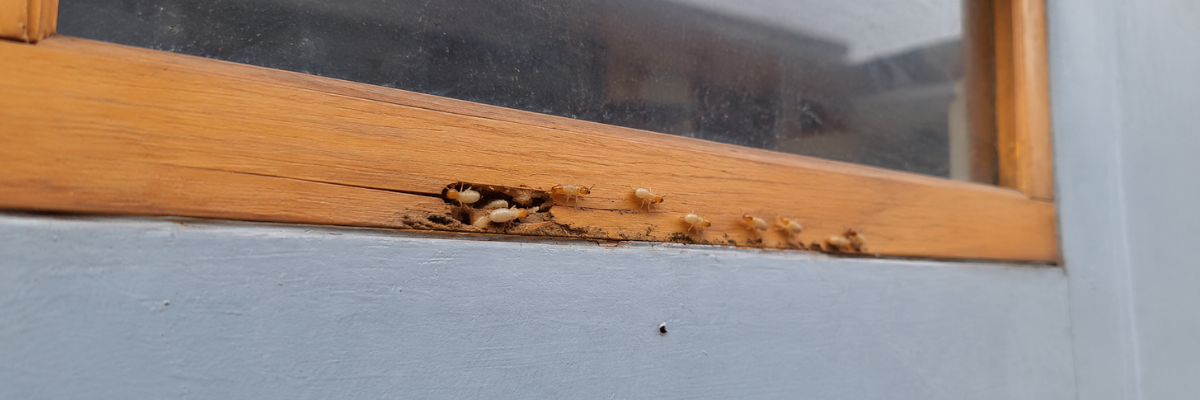
Mud tubes — thin, pencil-width trails along foundation walls or skirting boards — are the classic giveaway, easy to miss if you’re not looking near baseboards. Discarded wings near windowsills, hollow-sounding wood, bubbled paint, and tiny pinholes in furniture round out the list. None of these alone is dramatic. Together, they tell a story.
Doors that suddenly stop closing properly often get blamed on humidity. Sometimes that’s true. Sometimes it’s termites hollowing the frame from within.
Where Activity Tends to Concentrate
Wooden furniture pushed against exterior walls, timber roof structures, basements, and poorly ventilated storage rooms are common hotspots — termites favor damp, undisturbed conditions. Commercial spaces carry their own version of this risk too: warehouses with wooden pallets, offices with timber paneling, hostels with wooden bed frames. Less visible day to day, but the financial exposure in a large facility can be far higher than in a single home.
Why Ignoring the Signs Gets Expensive
A minor infestation caught early might mean localized treatment and some furniture repair. Left unchecked for a year or two, the same colony can compromise beams and staircases to the point where replacement, not repair, is the only option. There’s a safety angle too — weakened structural timber is a genuine hazard in older buildings. And a documented termite history can spook buyers during a property sale, even after treatment.
What Proper Treatment Actually Involves
1. Foundation & Wood Inspection
Visual inspection of foundations, skirting boards, and wood in soil contact.
2. Moisture & Timber Checks
Moisture and hollow-sound checks on suspect timber.
3. Termite Activity Identification
Identification of mud tubes, wings, or frass in vulnerable zones.
4. Colony Damage Assessment
Assessing whether the infestation is localized or colony-wide.
5. Barriers, Baiting & Monitoring
Applying eco-friendly barriers or baiting, followed by regular monitoring.
Professional termite treatment isn’t a one-time spray. Follow-up checks matter — a partially treated colony can rebuild if the source isn’t addressed, which is where DIY sprays tend to fall short.
Why Local Experience Makes the Difference
Humid monsoon stretches create exactly the moisture-rich conditions termites thrive in, which is why infestations often surface soon after heavy rains recede. That’s the real case for how to identify termite infestation — the earlier the intervention, the smaller the fix. Paradise Pest Control has built that pattern recognition over 20+ years across 5,500+ residential, commercial, and industrial properties, using eco-friendly methods throughout.
If any of these signs sound familiar, it’s worth getting a proper inspection rather than waiting to see if it worsens. Reach out through the pest control experts in coimbatore page to find out what that looks like for your property.
Use up and down arrow keys to resize the meta box pane.