

How to Prevent Cockroaches in Your Kitchen and Cupboards

How to Prevent Cockroaches in Your Kitchen and Cupboards
How to prevent cockroaches in your kitchen and cupboards is a common concern for homeowners and small food businesses. A growing café owner may spend the morning preparing ingredients. By evening, they may notice something scurrying behind a storage shelf when the lights go off. It’s a familiar scene in many homes and small food businesses. Cockroaches don’t need much to settle in. A few crumbs, some moisture, and a dark corner can give them what they need.
Kitchens and cupboards are common places for cockroaches because they offer food, warmth, and hiding spots. If you notice even one cockroach on your kitchen counter, take it seriously. It may not be a one-time visitor. The cockroach control service in coimbatore from Paradise Pest Control focuses on the source of the problem. Technicians identify where cockroaches enter, hide, and breed. Many households and businesses across the city also rely on pest control services in coimbatore to keep kitchens cleaner and reduce recurring cockroach problems.
This guide covers practical ways to prevent cockroaches in your kitchen and cupboards. It also explains why these pests enter your home and what helps keep them away.
Why Kitchen Cockroach Prevention Matters
Cockroaches aren’t just unpleasant to look at. They can contaminate food surfaces and leave droppings inside cupboards. They may also trigger allergies or asthma symptoms in sensitive individuals. For a household, this can create constant concerns about food safety. For a restaurant or food business, the problem can become more serious. It may lead to hygiene complaints, damage to your reputation, or regulatory issues.
Picture a family that stores grains, spices, and snacks in kitchen cupboards. A small gap behind the cupboard can give cockroaches an entry point. A damp corner under the sink can also attract them. Once cockroaches find food and water, they may settle in and start breeding.
The kitchen also stays warm and humid for much of the day. This happens especially around stoves and dishwashing areas. Warmth, moisture, and food residue create ideal conditions for cockroaches. Understanding how to prevent cockroaches in your kitchen and cupboards starts with controlling these conditions.
Common Overlooked Risks in Kitchens and Cupboards
Many people assume cockroach problems only happen in dirty kitchens. That isn’t always true. Even clean kitchens can attract cockroaches when small risks go unnoticed.
Cracks and gaps around cupboard hinges, skirting boards, and plumbing fixtures can provide entry points. Cockroaches can squeeze through very narrow openings. Regular cleaning may not reveal these hidden gaps. Moisture also creates problems. A slow leak under the sink, condensation near the refrigerator, or a damp dish rag can provide enough moisture for cockroaches to survive.
Food crumbs in cupboard corners can create another problem. This often happens behind stored containers or inside rarely used shelves. Cardboard packaging can also attract cockroaches because it may hold moisture and food residue. Grocery delivery boxes can sometimes carry cockroach eggs without showing obvious signs.
Cockroaches can survive with very little food and water. That makes prevention more difficult than simply keeping surfaces clean. Small gaps, food residue, and leaks can still support an infestation.
Benefits of Professional Cockroach Prevention
Store-bought sprays may kill visible cockroaches. However, they often miss pests hiding inside wall cavities, behind appliances, or under cupboard bases. Professional treatment takes a more targeted approach.
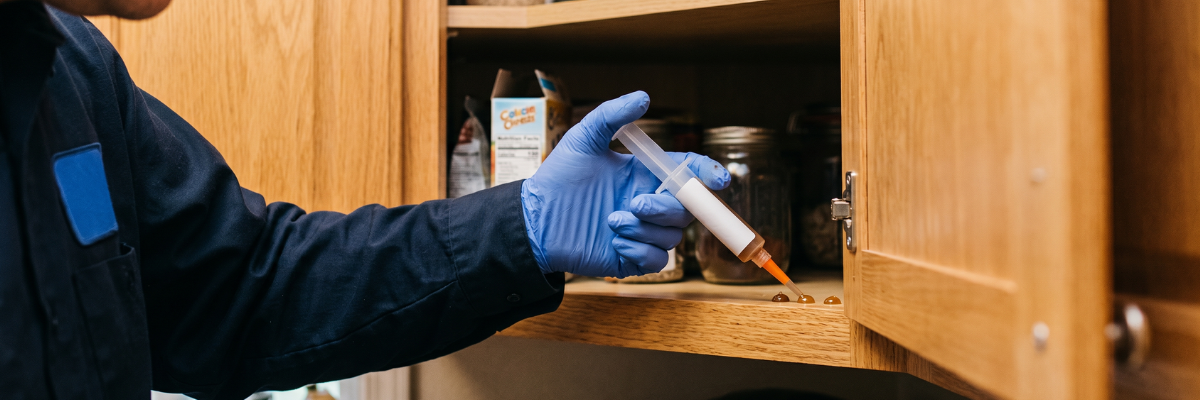
Trained technicians know where cockroaches often hide. These areas can include behind refrigerators, under sinks, inside electrical panels, and along pipe runs. They can target these locations instead of treating only visible surfaces. Gel baiting and crack-and-crevice treatment can provide better long-term control than surface sprays alone.
Professional treatment also looks at the entire problem. Technicians check entry points, moisture sources, and food access. They don’t focus only on the cockroaches you can see. This approach can reduce the chance of the problem returning within a few weeks.
Safety also matters in kitchens. Professionals apply treatments carefully around food preparation areas. They focus on suitable treatment zones instead of applying products directly to food or food-contact surfaces.
Common Mistakes People Make When Trying to Prevent Cockroaches
A common mistake is treating cockroach control as a one-time task. Some people spray the kitchen after spotting a cockroach and assume the problem has ended. Cockroaches breed quickly. One treatment may not address hidden pests or egg cases.
Ignoring small leaks is another common mistake. People often fix visible plumbing problems but miss slow drips under the sink or near the dishwasher. These moisture sources can help cockroaches survive even after thorough cleaning.
Storing food in cupboards without sealed containers can also create problems. Open packets of rice, flour, or snacks give cockroaches easy access to food. Keeping cardboard boxes near the kitchen for long periods can create another hiding place. Breaking down these boxes and disposing of them promptly can help reduce potential hiding spots.
What Professional Cockroach Treatment Actually Involves
A structured approach can work better than random spraying. Here’s a simplified look at what professional treatment typically includes:
- Kitchen and cupboard inspection — Technicians check cracks, cupboard corners, under-sink areas, and appliance backs. They look for cockroaches, droppings, and egg cases.
- Gel baiting and targeted treatment — Technicians apply treatment to suitable cracks, crevices, and hiding spots. This approach targets areas where cockroaches are likely to move and hide.
- Moisture and leak identification — Technicians identify leaks and damp areas that may support cockroach activity. Homeowners can then fix these issues along with the treatment.
- Sealing recommendations — Professionals identify gaps around pipes, skirting, and cupboard bases. Sealing these openings can help reduce future entry.
- Follow-up visits — Cockroach eggs can hatch after the initial treatment. A follow-up visit helps check activity and confirm that control measures are working.
This layered approach targets visible cockroaches and the conditions that attract them. It provides a more practical way to prevent cockroaches in your kitchen and cupboards than relying on quick surface sprays alone.
Frequently Asked Questions
Why do cockroaches keep coming back even after cleaning the kitchen?
Cleaning removes food residue from visible surfaces. However, cockroaches may hide inside wall cavities, under appliances, or inside cupboard bases. You also need to address hidden entry points and nesting areas for better long-term control.
What attracts cockroaches to kitchen cupboards specifically?
Cupboards provide darkness, warmth, and easy access to stored food. Open food packets can make the problem worse. Cardboard packaging and food crumbs in corners can also attract cockroaches.
Can natural remedies fully prevent cockroaches?
Natural methods can help reduce cockroach risks. Keeping surfaces clean and controlling moisture are useful steps. However, these methods may not eliminate an existing infestation, especially when egg cases remain in hidden areas.
How long does it take to see results after professional cockroach treatment?
Cockroach activity may decrease within a few days after treatment. However, complete control can take longer. Some eggs may hatch after the first treatment, which is why follow-up visits can help.
Is cockroach treatment safe to do in a kitchen where food is prepared daily?
Professional treatments focus on suitable areas such as cracks, crevices, and other non-food-contact surfaces. Homeowners should follow the technician’s preparation and safety instructions before and after treatment.
Conclusion
Preventing cockroaches in a kitchen isn’t about one major clean-up. It requires regular control of moisture, small gaps, and food storage. You also need to address hidden areas where cockroaches may live. Small details can make a big difference. A slow leak or an unsealed food packet can contribute to a recurring problem.
With over 20+ years of experience and 5,500+ happy clients, Paradise Pest Control has helped households and businesses across Coimbatore deal with kitchen cockroach problems. If this guide on how to prevent cockroaches in your kitchen and cupboards gave you a clearer picture of what to check, consider a professional assessment. It can help identify problems that routine cleaning may miss. Acting early can help prevent a small cockroach problem from becoming a larger infestation.