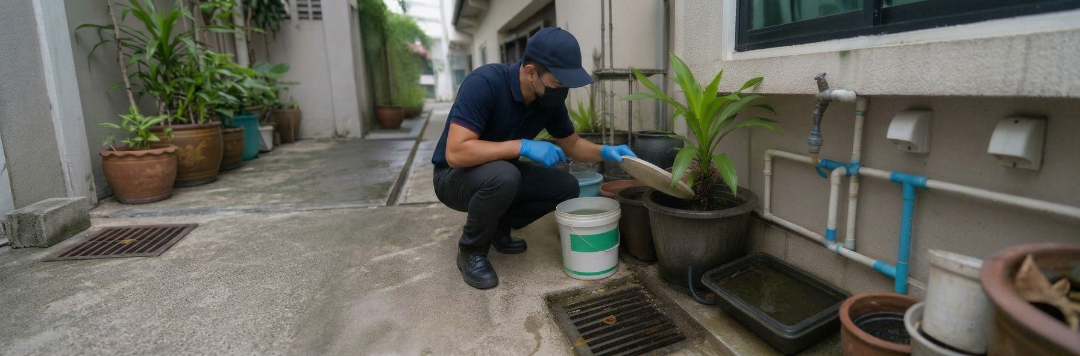


How to Prevent Mosquitoes from Breeding Around Your Home

How to Prevent Mosquitoes from Breeding Around Your Home
Paradise Pest Control website-ku SEO blog content ready pannumbothu, indha topic-la main focus standing water removal, mosquito breeding spots, home maintenance, and professional mosquito control mela irukkum. Mosquitoes breed in small amounts of stagnant water, so regular weekly checks are important for reducing breeding sites around your home.
Mosquitoes around your home are more than just a nuisance. They can disturb your sleep, cause itchy bites, and increase the risk of mosquito-borne diseases such as dengue, malaria, and chikungunya. Many homeowners try mosquito repellents or sprays, but these methods may not solve the problem if mosquitoes continue to breed nearby.
Understanding How to Prevent Mosquitoes from Breeding Around Your Home helps you identify common breeding spots and take practical steps to control mosquito populations. Water collected in flower pots, buckets, discarded containers, roof gutters, and uncovered water storage tanks can provide suitable places for mosquitoes to lay eggs.
At Paradise Pest Control, we help homeowners and businesses maintain cleaner, more comfortable environments through professional pest management solutions. With over 20 years of experience and 5,500+ happy clients, we understand the importance of identifying pest problems early and taking suitable preventive measures.
Why Do Mosquitoes Breed Around Your Home?
Mosquitoes need water to complete their life cycle. Depending on the species, they may lay eggs on or near water, and their larvae develop in aquatic environments. Even small collections of stagnant water can become breeding sites.
Several factors can encourage mosquito breeding around residential properties.
1. Stagnant Water in Containers
Buckets, discarded plastic bottles, old tyres, coconut shells, and unused containers can collect rainwater. When this water remains undisturbed, it may provide an ideal environment for mosquito larvae.
Check your garden, terrace, parking area, and outdoor storage spaces regularly. Empty containers that are not in use and store them upside down so they cannot collect water.
2. Uncovered Water Storage Tanks
Water storage tanks, drums, and large containers are common around homes in India. If these containers are left uncovered, mosquitoes may enter and lay eggs.
Keep water storage containers tightly covered. If a container cannot be sealed completely, use a suitable mosquito-proof mesh and maintain it properly.
3. Blocked Drains and Roof Gutters
Blocked drainage channels and roof gutters can hold water after rainfall. Leaves, mud, and other debris may prevent water from flowing freely, creating potential breeding sites.
Clean gutters and drainage channels regularly. Repair damaged pipes and correct drainage problems that allow water to collect around your property.
4. Overwatered Plants and Garden Areas
Flower pot saucers, decorative planters, and garden containers may collect excess water. Dense vegetation can also provide cool, shaded resting places for adult mosquitoes.
Avoid leaving water in plant trays for extended periods. Improve drainage around plants and remove unnecessary containers from your garden.
How to Prevent Mosquitoes from Breeding Around Your Home
The most effective prevention strategy is to remove breeding sites, stop water from accumulating, and prevent mosquitoes from entering indoor spaces.
1. Remove Standing Water Every Week
Walk around your home and check for water collected in buckets, flower pots, toys, discarded containers, old tyres, and other objects. Empty these items and scrub their inner surfaces where appropriate to remove mosquito eggs that may remain attached.
Pay particular attention after heavy rainfall, when new breeding sites can develop quickly.
Making this a weekly household routine can significantly reduce opportunities for mosquitoes to reproduce. The US Centers for Disease Control and Prevention also recommends regularly emptying and scrubbing, covering, turning over, or discarding water-holding items.
2. Keep Water Tanks and Containers Covered
Properly covered water storage containers help prevent mosquitoes from accessing the water.
Check overhead tanks, ground-level storage tanks, drums, and buckets. Ensure that lids fit securely and that openings are protected with suitable mosquito-proof mesh where necessary.
Inspect covers regularly for cracks, gaps, or damage. If you use containers without lids, choose a secure covering that prevents mosquitoes from entering while allowing the container to serve its intended purpose.
Avoid applying household insecticides directly to drinking water. If mosquito larvae are found in a water storage system, seek advice on safe, locally approved treatment methods.
3. Clean Drains and Improve Water Flow
Drainage maintenance is an important part of mosquito prevention, especially during the rainy season.
Remove leaves, mud, and other debris that block water flow in outdoor drains and roof gutters. Check the areas around bathrooms, kitchens, washing spaces, and outdoor taps for leaks or persistent puddles.
If water continues to accumulate because of poor drainage, arrange suitable repairs rather than repeatedly removing the water without addressing the cause.
Do not pour chemicals or pesticides into drains unless the product is specifically approved for that use and its instructions permit it.
4. Maintain Your Garden and Outdoor Spaces
Gardens can attract mosquitoes when containers collect water and vegetation becomes overgrown.
Trim excessive vegetation, remove unnecessary items, and keep outdoor spaces organised. Empty water from plant saucers and decorative containers regularly.
If you maintain a pond or water feature, use an appropriate management method that prevents mosquito larvae from developing without harming other organisms. Pools should also be maintained according to their recommended treatment and circulation requirements.
A clean, well-maintained garden makes it easier to identify and eliminate mosquito breeding sites.
5. Check Air Conditioner and Plumbing Areas
Water may collect around air conditioner drainage outlets, leaking outdoor taps, and plumbing connections. These locations are sometimes overlooked during routine cleaning.
Inspect areas where water drains from air conditioning units and make sure the drainage system works correctly. Repair leaking pipes and taps, and remove persistent puddles around the building.
Check the space beneath outdoor utility equipment and around washing areas as well. Correcting these small maintenance issues can help prevent conditions that support mosquito breeding.
6. Change Water in Flower Vases and Pet Bowls
Flower vases, pet bowls, and other containers that hold water should be checked regularly.
Empty and clean flower vases at least weekly, and refresh pet drinking water frequently while keeping the bowls clean. When changing water, inspect and clean the inside of the container rather than simply adding fresh water.
For plant pots, remove excess water from saucers and improve drainage where necessary.
7. Install Mosquito Screens on Doors and Windows
Install suitable mesh screens on windows and doors, and repair holes or damaged sections. Close doors when they are not in use, particularly during periods of high mosquito activity.
Use mosquito nets where appropriate, especially for infants and people who need additional protection while sleeping.
8. Avoid Relying Only on Mosquito Sprays
Mosquito sprays may reduce adult mosquito activity temporarily, but they do not necessarily eliminate eggs or larvae developing in nearby water.
If mosquitoes keep returning, inspect the property for hidden breeding sites instead of repeatedly spraying the same areas.
When chemical treatment is necessary, choose an appropriate product and follow its label instructions. Keep people, pets, food, and water sources protected as directed.
For persistent mosquito problems, a professional inspection can help identify areas that may require targeted treatment.
9. Arrange Professional Mosquito Control When Needed
Sometimes, mosquitoes continue to appear even after you clean your home and remove visible stagnant water. The source may be difficult to identify, or the problem may involve larger outdoor areas and nearby breeding locations.
Professional mosquito control can help assess mosquito activity, identify potential breeding sites, and recommend appropriate treatment measures.
Depending on the situation, control methods may include targeted larval treatment in suitable water sources, treatment of adult mosquito resting areas, and practical recommendations for preventing future breeding.
For homeowners looking for Mosquito Control Services in Coimbatore, Paradise Pest Control can help assess recurring pest problems and recommend suitable pest management solutions. Visit our Paradise Pest Control website to learn more about our services.
Common Mosquito Breeding Spots You Should Never Ignore
A regular inspection is more effective when you know where mosquitoes are likely to breed.
Check the following areas around your home:
Terrace and rooftop: Inspect unused containers, blocked gutters, and low spots where rainwater collects.
Garden and backyard: Check flower pot saucers, old tyres, buckets, and discarded items.
Water storage areas: Ensure that overhead tanks, drums, and storage containers are securely covered.
Outdoor drains: Look for blockages and persistent standing water.
Construction areas: Check unused materials, pits, and containers that may collect rainwater.
Utility spaces: Inspect leaking taps, air conditioner drainage areas, and washing spaces.
Indoor areas: Check flower vases, plant trays, and other containers that hold water.
If water cannot be emptied or the source cannot be removed, seek advice about suitable mosquito-control measures for that specific location.
How Often Should You Check Your Home for Mosquito Breeding?
Weekly inspections are a practical starting point for most households. However, the frequency may need to increase during rainy periods or when mosquito activity is high.
These are general prevention guidelines. Any container that repeatedly collects water should be checked more frequently, especially after rainfall.
Why Is Mosquito Prevention Important for Your Family?
Mosquitoes are associated with several diseases, including dengue, malaria, and chikungunya. Removing breeding sites helps reduce local mosquito populations, although it cannot guarantee that mosquito bites or mosquito-borne illnesses will be completely prevented.
Keeping your surroundings clean, protecting water storage, maintaining drainage, and using suitable personal protection can help reduce exposure.
If someone develops symptoms such as fever, severe headache, body pain, or other concerning symptoms after possible mosquito exposure, seek medical advice promptly. Do not rely on pest control measures as a substitute for medical care.
Frequently Asked Questions
What is the best way to prevent mosquitoes from breeding around your home?
The best approach is to remove standing water, clean water-holding containers, cover storage tanks, maintain drains, and inspect your property weekly. Use window screens and suitable mosquito protection to reduce indoor exposure.
Can mosquitoes breed in small amounts of water?
Yes. Some mosquito species can breed in very small collections of water, including water in bottle caps, plant saucers, discarded containers, and blocked drainage areas. Regularly checking these locations can help prevent breeding.
How can I prevent mosquito breeding during the rainy season?
Inspect your terrace, garden, gutters, and outdoor containers after rainfall. Empty collected water, clear drainage blockages, and keep water storage containers covered. Repeat inspections regularly throughout the rainy season.
Does spraying mosquito repellent stop mosquitoes from breeding?
No. Personal mosquito repellents help protect people from bites but do not eliminate breeding sites. Removing standing water and using appropriate mosquito-control measures are essential for reducing breeding.
Conclusion
Learning How to Prevent Mosquitoes from Breeding Around Your Home is an important step towards maintaining a cleaner and more comfortable living environment. Mosquito prevention begins with simple habits, such as removing stagnant water, covering water tanks, cleaning drains, maintaining gardens, and checking containers regularly.
Paradise Pest Control brings over 20 years of experience and a track record of 5,500+ happy clients to pest management. If you are experiencing recurring mosquito problems at your home or business, contact Paradise Pest Control to discuss suitable Mosquito Control Service in Coimbatore.