
Ticks & Fleas Control Service

You need to know about fleas and ticks? Are you tired of ticks and fleas that your pets spread across your home? Do you want to get rid of these annoying pests once and for all? If yes, then you need WA Paradise Pest Control, providing the solution for the Ticks and Fleas Control Service. When you partner with Paradise, you get a dedicated team of experts committed to a quick and efficient response to the ticks and fleas problem. Our services are designed to protect your pets and yourself from infestations and help to prevent future ticks and fleas problems.

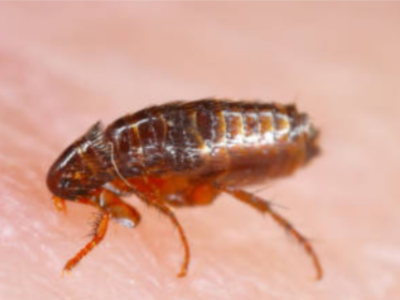
Fleas

Female ticks/fleas can lay 40 to 50 eggs a day. Egg hatches within 12–14 days. The larva emerges out of the egg and survives for 18 days and they feed on dry skin, dust insects and debris. The larva spins cocoons and enter into pupa stage to develop the organs in humid conditions and the adult emerges in a week. The adult flea goes in hunt for host to reside, lays eggs and feed blood.

Behavior:

Infection

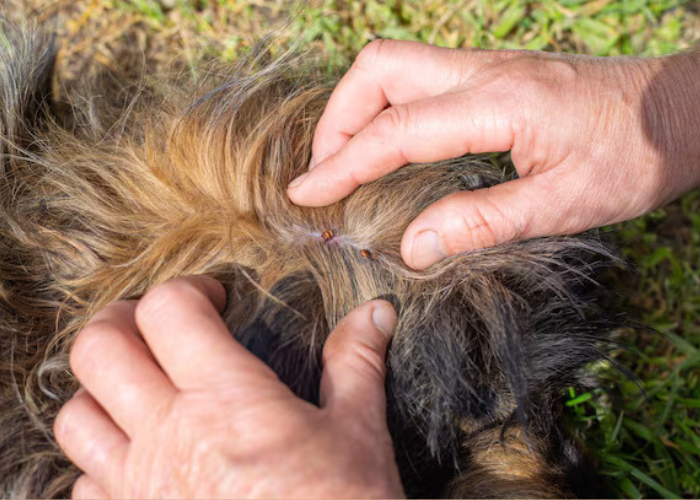
The tick and flea infection can be seen along the unhygienic pet like dogs and cats and in the pet owner's home for any reason.

Threats to Humans & Animals

Humans:

Animals:

Tips to Get Rid of Ticks and Fleas in House

  1. Treat all infected areas inside the house, including beds, sofas, furniture, screens, cracks, crevices, wardrobes, shoe racks, pet areas, lawns, and balconies.
  2. Treat pets to eliminate ticks and fleas and prevent re-infestation.
  3. Inspect children and pets before allowing them to enter the house.
  4. Wash clothes regularly, especially after outdoor activities.

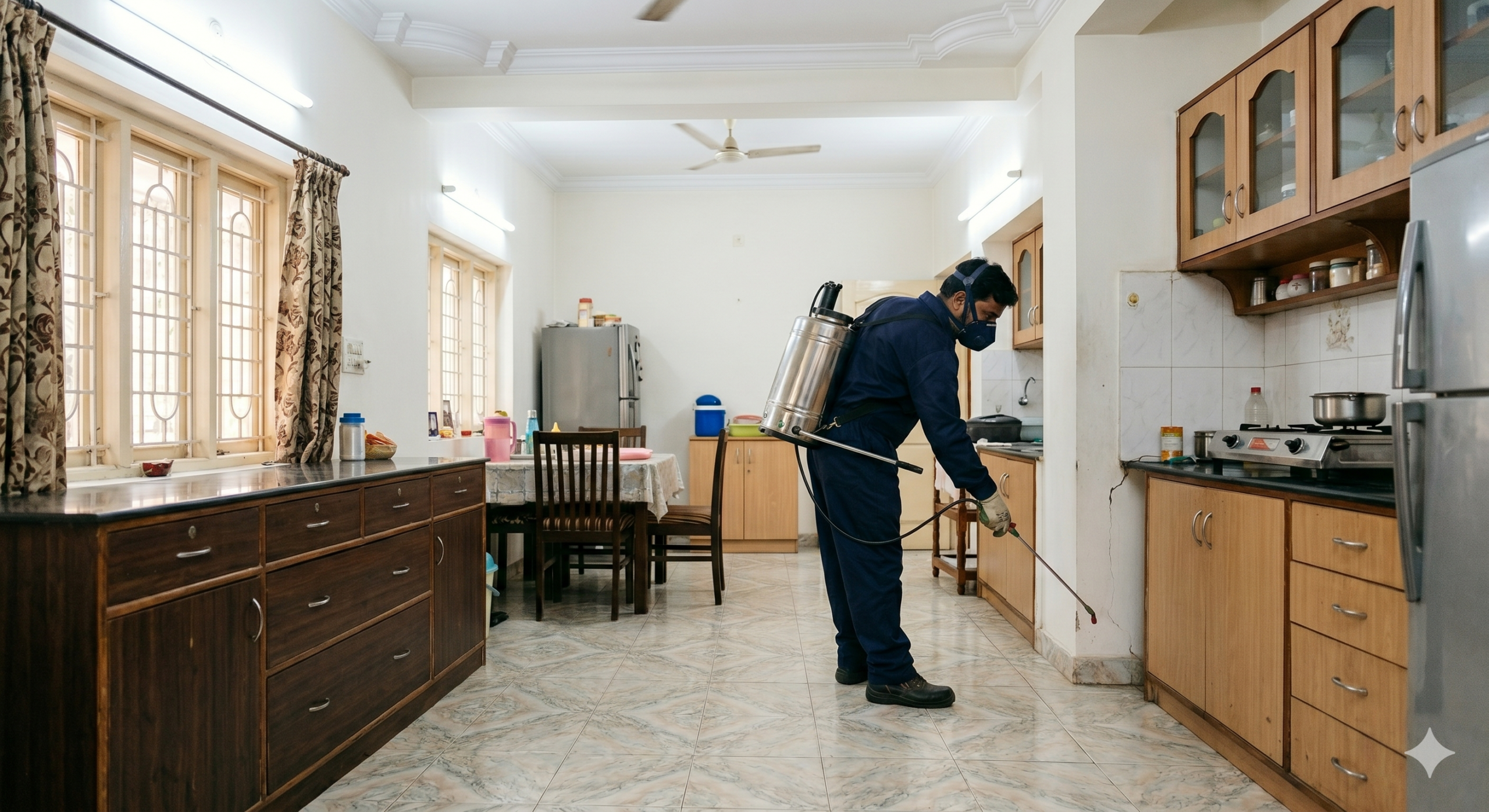
At Paradise Pest Control India, we provide the Ticks & Fleas Control Service to protect your pets and home from Ticks & Fleas infestation. Our professional team inspects and examines the target areas of ticks and fleas in the bed, mattress, furniture, corners, garages, shed, dog kennel, wardrobes, shelf, etc.
Biological Clock:

How Does It Spread

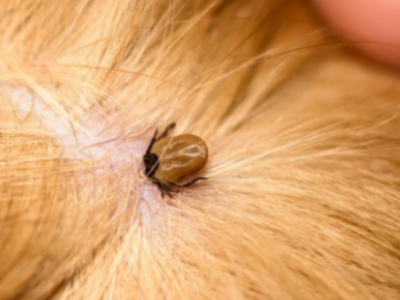
Ticks

The adult female lays about 1000 eggs. It hatches into larvae in search of blood meal and this is called questing. Once the larvae has the blood meal it sheds its skin to become a nymph. The process repeats until it becomes the adult tick. The adult tick searches for large host for feeding and mating. Female ticks may lay their eggs in carpet fibers, on soft furniture, or in curtains. Nests may also be found in protected corners of the house, garage, shed, or dog kennel.