

What Happens During a Professional General Pest Control Treatment?

What Happens During a Professional General Pest Control Treatment?
A professional general pest control treatment is a planned process that finds out which pests are on your property, treats the problem at its source, and helps stop it from coming back. It usually covers common pests such as cockroaches, ants, mosquitoes, spiders, ticks, worms, and flies, in homes, apartments, offices, restaurants, and warehouses. If you have never booked one before, it helps to know what to expect, and a trusted General Pest Control Service in Coimbatore can walk you through every step before the work begins.
This guide explains what happens before, during, and after a visit, and how experienced pest control services in Coimbatore keep your home or business safe.
What Is Included in a Professional General Pest Control Treatment?
General pest control is a broad service. Instead of targeting a single pest, it deals with the everyday pests that show up in homes and commercial spaces. The exact pests covered depend on your property, but the process is much the same each time.
Common Pests Covered
A general pest control service typically covers cockroaches, ants, mosquitoes, spiders, ticks, worms, and flies. These are the pests people run into most often in kitchens, bathrooms, drains, storerooms, and outdoor areas.
Properties That Can Be Treated
Treatments are carried out in homes, apartments, offices, restaurants, warehouses, and other commercial spaces. The method is adjusted to the size and use of the property.
Services That Are Usually Separate
Pests such as termites, rodents, bed bugs, and snakes often need their own specialised treatment. A good provider will tell you honestly if your problem needs something beyond a general treatment.
Why Pest Problems Should Not Be Ignored
Pests rarely stay a small problem. They hide in cracks, kitchens, drainage areas, and dark corners, so what you see is usually only part of the infestation. Cockroaches, ants, and mosquitoes also multiply quickly, which means a few sightings can turn into a serious infestation in a short time.
Store-bought sprays usually give only short-term relief. They kill the pests you can see but do not remove the hidden ones or the breeding areas, which is why the problem keeps returning.
Before the Treatment: How You Can Prepare
A little preparation helps the treatment work better and keeps everyone safe. Your pest control team will give you instructions specific to your property, but these steps are common.
Clear Access to Key Areas
Move items away from walls, clear space under sinks, and empty kitchen cabinets if the technician needs to treat them. This lets the team reach the places where pests hide.
Protect Food, Utensils, and Belongings
Cover or store food, cooking utensils, and dishes in sealed containers. Keep children’s toys and pet items out of the treatment areas.
Plan for Children and Pets
Let the technician know about children, elderly family members, pets, or anyone with allergies or breathing problems. They can adjust the method accordingly and tell you how long to stay out of treated areas.
Step-by-Step: What Happens During a Professional General Pest Control Treatment
Every company has its own way of working, but a professional general pest control treatment usually follows these four stages.
Step 1: Inspection and Assessment
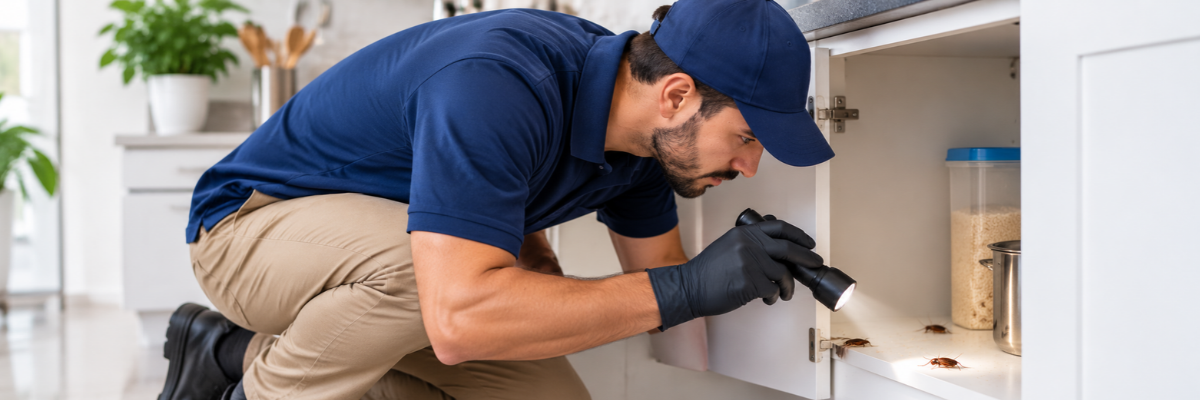
The technician walks through your property to identify pest activity, entry points, and nesting areas. They also look at the conditions that attract pests, such as moisture, food waste, and clutter, and judge how far the infestation has spread.
Step 2: Targeted Pest Treatment
Based on what the inspection shows, the team applies industry-approved treatments such as sprays, gels, and baits. Spray application covers cracks, crevices, and surfaces where pests move, while gel and bait treatments target pests like cockroaches and ants at their hiding spots. Using the right method for each pest works better than treating everything the same way.
Step 3: Prevention and Exclusion
Treatment alone will not keep pests away. The technician points out entry points that need sealing, suggests sanitation improvements, and applies preventive measures so the problem does not return.
Step 4: Monitoring and Follow-Up
Follow-up inspections check that the treatment is working and catch any new activity early. The technician also gives preventive recommendations your family or staff can follow day to day.
After the Treatment: What to Expect
The visit does not end when the technician leaves. What you do over the next few days affects how well the treatment works.
Re-Entry and Safety Instructions
Your technician will tell you how long to keep children, pets, and anyone sensitive away from treated areas, and when it is safe to return and ventilate the space. Follow this advice closely.
Pest Activity May Increase Briefly
You may notice more pests for a few days after treatment. This is normal, because pests that were hiding come out as the treatment takes effect. Avoid wiping down treated areas unless your technician says it is fine.
Follow-Up Visits
Many problems need more than one visit, especially for cockroaches or heavy infestations. Follow-up visits check progress and treat anything that survived the first round.
Why Professional Treatment Works Better Than DIY Sprays
Store-bought sprays rarely reach the nests and hiding spots where most of the problem lives. They can also push pests deeper into the walls or into other rooms.
A professional general pest control treatment goes after the source. Technicians know where each pest hides, which method works for it, and how to apply it safely. That saves you time, repeat spending, and the frustration of a problem that keeps returning.
Who Needs a Professional General Pest Control Treatment?
- Homes and apartments: Protects family health and keeps kitchens and bathrooms clean.
- Restaurants, cafés, and cloud kitchens: Supports food safety and hygiene audits.
- Offices and retail stores: Keeps the workplace professional and comfortable.
- Warehouses and godowns: Protects stored goods and equipment.
- Hotels and resorts: Protects guest comfort and online ratings.
- Hospitals and clinics: Reduces pest-related contamination risks.
How to Choose the Right Pest Control Provider
The cheapest quote is not always the best value. A few simple checks can help.
Experience and Local Knowledge
Ask how long the company has been working and whether it has handled properties like yours. Local experience matters because pests and building types vary by region.
Clear Communication and Safety Practices
A good provider starts with a proper inspection, explains what they plan to use and how it is applied, and tells you what precautions to take. If they cannot answer simple questions, look elsewhere.
Follow-Up Support
Look for a team that does follow-up inspections and returns if pests persist between scheduled visits.
Frequently Asked Questions
How long does a professional general pest control treatment take?
It depends on the size of the property and the level of infestation. A small home may take an hour or two, while larger homes, restaurants, and warehouses can take longer. Your technician can give you a rough estimate after the inspection.
Which pests does general pest control cover?
General pest control usually covers cockroaches, ants, mosquitoes, spiders, ticks, worms, and flies. Termites, rodents, bed bugs, and snakes are usually handled as separate services.
Is general pest control safe for children and pets?
When applied by trained technicians following safety guidelines, treatments are designed to be used safely. You will usually be asked to keep children and pets away from treated areas for a set time, so follow the instructions your technician gives you.
How soon will I see results?
You may see a drop in pest activity within a few days, but some pests take longer. A short increase in activity right after treatment is normal as hidden pests come out. Follow-up visits help clear what remains.
How often should I get general pest control done?
It depends on your property and the pests in your area. Many homes benefit from regular scheduled visits, while restaurants and food businesses usually need more frequent service. A technician can recommend a schedule after inspecting your property.
Conclusion
A professional general pest control treatment is more than a quick spray. It is an inspection, a targeted treatment, prevention work, and follow-up that helps keep pests away for longer. Knowing what to expect makes the process easier and helps you get the best results. With over 20 years of experience, Paradise Pest Control has helped homes and commercial properties stay clean, safe, and pest-free. If you would like expert help, get in touch with the team behind What Happens During a Professional General Pest Control Treatment?.