


How Can Restaurants Stop Flies From Coming Back?
A restaurant can clean its kitchen every day and still notice flies around the dining area, waste bins or food-preparation spaces. The problem is often not simply the presence of food. Moisture, drains, waste, entry points and hidden breeding areas can all contribute to repeated fly activity.
When flies continue appearing, a professional approach such as Flies Control Service in Coimbatore can help identify and manage the problem. Restaurants and other businesses can also consider pest control services in Coimbatore as part of their wider property-maintenance routine.
The key is to understand why flies keep returning instead of treating only the insects that are visible.
Why Do Flies Keep Coming Back to Restaurants?
Restaurants naturally have many things that can attract flies. Food preparation, waste, moisture and frequent movement through entrances create conditions that need careful management.
Even when surfaces appear clean, small food residues can remain under equipment, around bins or in difficult-to-reach corners. Drains can also become a concern when organic material and moisture collect inside them.
This is why recurring flies should be treated as a possible environmental problem, not just an occasional nuisance. Finding the conditions that support them is an important part of effective fly management.
What Attracts Flies Inside a Restaurant?
Food odours are an obvious attraction, but flies can also be drawn to waste, sugary residues, damp areas and decaying organic material. A small spill that is missed during routine cleaning may become attractive to insects.
Garbage areas deserve particular attention. Waste containers should be emptied regularly and kept in suitable conditions so that food residues do not remain exposed for long periods.
Drains are another commonly overlooked area. If organic matter accumulates inside or around a drain, cleaning the visible floor surface alone may not address the underlying attraction.
Entry points also matter. Open doors, windows and other gaps can allow flies to enter repeatedly, especially when the restaurant has frequent customer and delivery traffic.
Restaurant Areas That Are Easy to Overlook
The dining area is usually cleaned carefully because customers can see it. Hidden areas behind refrigerators, cooking equipment, storage units and waste containers may receive less attention.
Food storage spaces should also be checked. Leaking containers, damaged food packaging and small amounts of spilled ingredients can create conditions that attract flies.
Outdoor areas should not be forgotten either. Waste storage points located near entrances can encourage fly activity around the building, making it easier for insects to enter whenever doors are opened.
A professional fly control service can assess these different areas and determine where treatment or preventive measures may be appropriate.
Why Killing Visible Flies Is Not Always Enough
Spraying a few visible flies may provide immediate relief, but it does not necessarily solve the source of the problem. If the conditions attracting them remain unchanged, new flies can continue to appear.
Another mistake is treating only the dining room. Flies may be entering through the kitchen, waste area, loading point or another part of the property.
Using excessive chemicals is also not a good solution. Restaurants need to consider food safety, employees, customers, utensils and food-contact surfaces when any pest-control product is used.
The better approach is to combine good housekeeping with appropriate pest management. Professional treatment can address areas that are difficult to identify or manage through routine cleaning alone.
How Professional Fly Control Can Help Restaurants
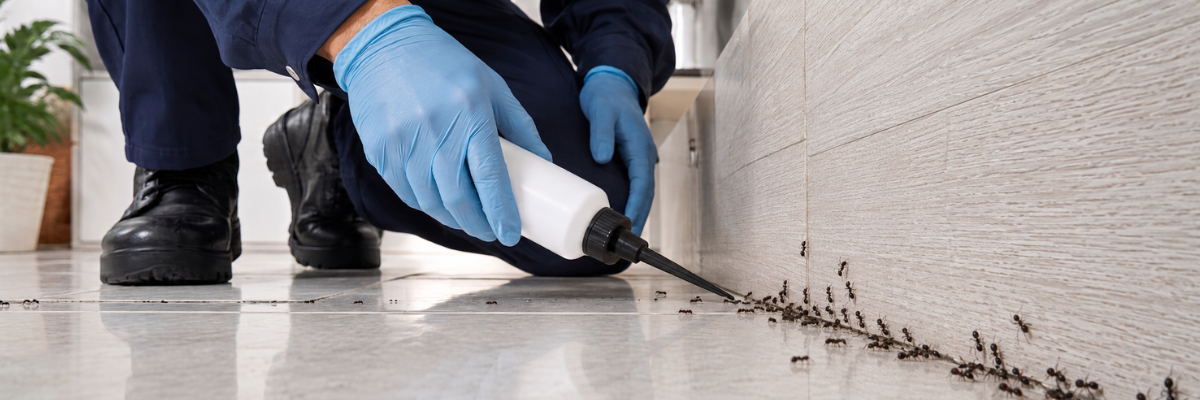
Professional fly management begins with inspection. Instead of simply treating every visible insect, technicians can look for conditions that may be supporting fly activity.
Paradise Pest Control describes its fly control service as an eco-friendly approach intended to eliminate infestations and keep premises clean, safe and comfortable. Its broader service approach also focuses on planned treatments, preventive care and reducing future pest problems.
Treatment should be suitable for the type of property and the areas affected. In a restaurant, this means taking particular care around kitchens, food-storage spaces and other locations where food is handled.
Professional guidance can also help identify practical changes that support long-term control. Sometimes the most useful improvement is not another spray, but better waste management, improved sanitation or attention to an overlooked entry point.
What Restaurants Can Do to Prevent Flies
Daily prevention plays an important role even when professional treatment is used. A restaurant should make fly prevention part of normal kitchen and property management rather than waiting until the problem becomes obvious.
A practical routine includes:
- Remove food waste regularly: Keep waste covered and avoid allowing food residue to build up.
- Keep drains clean: Pay attention to areas where moisture and organic material may accumulate.
- Clean spills quickly: Food and sugary liquids should not be left on floors, counters or around equipment.
- Check hidden spaces: Inspect areas behind and underneath equipment where food particles may collect.
- Monitor entry points: Keep doors, windows and other openings appropriately managed.
- Act when activity repeats: Several flies appearing regularly can justify investigating the cause rather than treating each one individually.
These steps are simple, but consistency matters. A clean dining room cannot compensate for an overlooked waste area or persistent moisture problem.
Frequently Asked Questions
Why do flies keep coming back to my restaurant?
Flies can return when food residue, waste, moisture, drains or entry points continue to attract them. Removing visible flies does not always remove the conditions causing the problem.
Can restaurant cleaning prevent fly infestations?
Regular cleaning is essential and can reduce attractants, but persistent fly activity may require additional measures. Waste management, drain maintenance, exclusion and professional treatment can all play a role.
Where do flies usually come from in restaurants?
They may enter through doors, windows and other openings or be attracted by waste, drains, food residue and damp areas within or around the property.
Are flies a hygiene concern for restaurants?
Yes. Flies can move between waste and food-related areas, so recurring fly activity should be taken seriously in a food-service environment.
When should a restaurant consider professional fly control?
If flies continue appearing despite proper cleaning and waste management, or if activity is increasing around food preparation and storage areas, professional inspection can help identify the underlying cause.
Conclusion
Stopping flies from coming back requires more than removing the insects that are visible. Restaurants need to look at the complete environment, including food waste, drains, moisture, hidden spaces and entry points.
Good cleaning and waste management should remain part of everyday operations. When repeated fly activity continues despite these measures, professional assessment can help identify overlooked areas and determine an appropriate treatment approach.
Paradise Pest Control states that it has more than 20 years of industry experience and has served 5,500+ satisfied clients across residential, commercial and industrial sectors.
Understanding how restaurants can stop flies from coming back can help restaurant owners and managers build a more practical prevention routine. Where recurring activity requires professional attention, contact Paradise Pest Control to discuss the specific conditions of the property.