


Where Do Bed Bugs Hide During the Day?
Where do bed bugs hide during the day? You may wake up with a few unexplained bites, check the mattress in daylight, and see nothing. No insects, no obvious signs, and nothing that confirms what you already suspect. This gap between “I think something is biting me” and finding proof can be frustrating. The reason is simple: bed bugs are highly skilled at staying hidden during the day.
Bed bug hiding places are rarely where people first think to look. These insects hide in mattresses, sofas, cracks, and furniture. They usually come out at night to feed. That is why a bed bugs pest control in coimbatore approach starts with a thorough inspection. Finding their hiding spots is an important step before treatment begins.
Why This Topic Matters
Bed bugs are often seen as just an itchy nuisance. However, their bites can cause significant discomfort and skin irritation. Some people may develop stronger skin reactions. Scratching the bites can also increase the risk of secondary skin infections.
The problem can grow quickly once bed bugs find a reliable source of food. They can spread from one hiding place to another and establish themselves in mattresses, furniture, and cracks around the room. This is why professional pest control services in coimbatore take early signs seriously instead of waiting for a large infestation to appear.
Where Bed Bugs Actually Hide
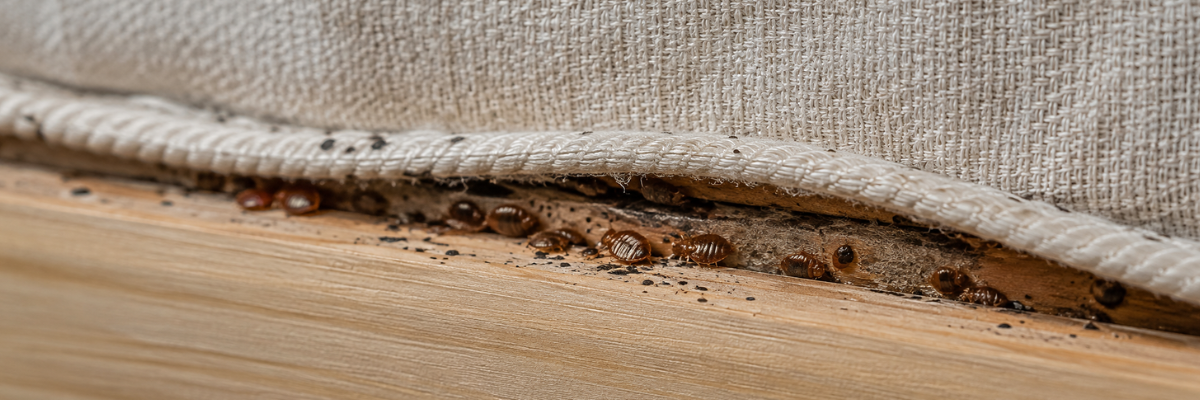
Mattresses are the obvious place to check, but bed bugs usually hide in specific areas. Look closely at mattress seams, piping, folds, and the underside near the corners. Bed frames also deserve attention. Wooden frames with joints, cracks, and crevices can provide ideal hiding spots during the day.
Furniture near the bed can also harbor bed bugs. Sofas, chairs, and curtains may become hiding places, especially in homes, hotels, and hostels where people spend a lot of time sitting or resting.
Other hiding spots can include cracks in walls, areas behind headboards, electrical outlet covers, and gaps along skirting boards. These dark and undisturbed areas can easily escape routine cleaning.
Common Mistakes People Make When Looking for Bed Bugs
Checking only the mattress surface is one of the most common mistakes. Bed bugs usually hide inside seams, folds, and other narrow spaces rather than sitting on the open surface. Therefore, a quick visual check may not reveal an infestation.
Relying completely on store-bought sprays is another common mistake. These products may kill exposed bed bugs, but they may not reach hidden eggs or insects inside cracks and furniture. As a result, the infestation can continue and become noticeable again later.
Treating only the bed can also leave other areas untouched. Bed bugs may hide in nearby furniture, curtains, bed frames, and wall cracks. If these areas remain untreated, the infestation can continue to spread.
What Effective Bed Bug Control Actually Involves
A proper bed bug control approach usually follows a clear sequence rather than relying on one treatment.
- Thorough inspection — Professionals check bedrooms, mattresses, furniture, cracks, crevices, and other potential hiding places. This helps identify bed bug activity and determine how far the infestation has spread.
- Professional treatment — Professionals apply suitable treatment methods to affected areas. The goal is to target bed bugs at different stages of their life cycle rather than focusing only on visible adults.
- Complete treatment of hiding areas — Professionals target the specific hiding places found during the inspection. Treating these areas helps reduce the chance of surviving bed bugs causing another infestation.
- Monitoring and prevention — Follow-up inspections can help identify remaining activity. Professionals can also provide practical recommendations to reduce the risk of future infestations.
Skipping or rushing the inspection can weaken the treatment plan. If professionals miss a hiding spot, bed bugs in that area may survive and continue the infestation.
Frequently Asked Questions
Where do bed bugs hide when they’re not in the bed?
Beyond the mattress, common hiding spots include sofas, chairs, curtains, wall cracks, areas behind headboards, and gaps around electrical outlets. They prefer dark, narrow spaces close to places where people rest.
Why do bed bugs mostly come out at night?
Bed bugs often become active at night because people are usually resting and easier to reach. They can detect cues such as body heat and carbon dioxide, which help them locate a host.
Can bed bugs survive without feeding for a long time?
Yes. Bed bugs can survive for extended periods without feeding, although survival time depends on factors such as temperature and life stage. This ability can make an infestation difficult to eliminate.
Do bed bugs only live in beds?
No. Despite their name, bed bugs can hide in many places near a regular resting area. These include furniture, curtains, bed frames, cracks, and other narrow spaces.
How can I tell if I have a bed bug problem if I can’t see any bugs?
Look for signs such as unexplained bites, small dark spots on bedding, shed skins, eggs, or tiny blood stains. If you cannot confirm the problem yourself, a professional inspection can help identify hidden activity.
Conclusion
Bed bugs are difficult to spot because they spend much of the day hidden. Knowing where they hide can help you identify an infestation earlier. Check mattress seams, bed frame joints, nearby furniture, curtains, cracks, and other narrow spaces around resting areas.
Paradise Pest Control has spent over 20 years working across residential, commercial, and industrial properties and has served more than 5,500 clients. If you suspect bed bugs but cannot confirm the problem yourself, revisit this guide on where do bed bugs hide during the day? before your next inspection. A professional inspection can help identify hidden activity and determine the right treatment approach.