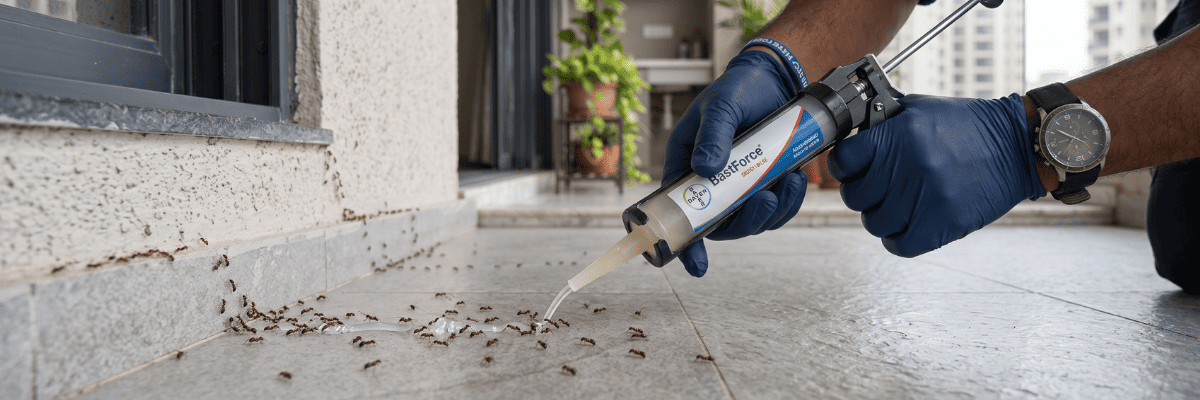



How to Stop Ants from Entering Your Home
How to stop ants from entering your home can be challenging when they keep returning through the same entry point. One morning, the doorway looks completely normal. A few days later, you notice a thin line of ants following the same path along the threshold. You wipe it away, but the trail returns. Once ants find a working route into your home, they can continue using it until you address the entry point and the source attracting them.
Ant prevention is not just about removing the trail you can see. You also need to understand what attracts ants to that area and how they are getting inside. A proper best ant control service in coimbatore can help identify entry points, nesting areas, and conditions that support recurring ant activity.
Why This Topic Matters
Ants may seem like a minor household nuisance, but recurring trails can point to a larger problem. A small trail around the kitchen counter may indicate a colony nearby. If you leave the problem untreated, more ants can follow the same route into your home.
There is also a hygiene concern. Ants can move between nests, waste areas, food sources, and household surfaces. This can increase the risk of contamination. Reliable pest control services in coimbatore can help identify the cause and provide suitable treatment.
How Ants Actually Get Into a Home
Cracks around door frames, gaps beneath windows, and small openings near utility pipes are common entry points. Many of these gaps are easy to miss during a normal inspection. Ants need very little space to enter a property and establish a regular trail.
Once inside, ants use scent trails to guide other members of the colony toward food and water. Crumbs, sugary spills, grease, and moisture can attract them. This is why the same trail may appear again after cleaning.
Effective ant prevention requires more than removing visible ants. You need to address both the entry point and the conditions that attract them.
Common Mistakes People Make When Trying to Keep Ants Out
Using sprays only at the entry point is a common mistake. A spray may remove visible ants for a short time, but it may not address the nest. As a result, new ants can appear again after a few days.
Cleaning food crumbs without sealing cracks is another common oversight. Removing food sources helps, but an open gap still gives ants access to the property. Sealing these openings can help reduce future entry.
Moisture problems can also attract certain ant species. Leaking pipes, damp areas, and standing water can create suitable conditions for ants. Ignoring these issues may allow the problem to return even after treatment.
What Effective Ant Prevention Actually Involves
A proper ant control approach usually follows a clear sequence rather than relying on one spray.
- Inspection and identification — Professionals identify active trails, entry points, nesting areas, and conditions that may support the colony.
- Targeted treatment — Professionals apply suitable treatments to affected areas and nesting locations. The goal is to control the infestation rather than only remove visible ants.
- Entry point sealing — Sealing cracks, gaps, and other access points can help prevent ants from using the same routes again.
- Monitoring and prevention — Follow-up checks and practical recommendations can help maintain long-term control and reduce the chance of recurring ant activity.
Skipping the sealing step can allow ants to return. Even after treatment, open cracks and gaps can provide another route into the home.
Frequently Asked Questions
How do I keep ants away from my house for good?
Long-term ant prevention usually requires a combination of entry point sealing, food management, moisture control, and treatment of active colonies. Removing visible ants alone may not solve the underlying problem.
Why do ants keep using the exact same path into my house?
Ants can create scent trails that guide other ants toward food and water sources. Once they establish a route, other ants may continue following it until you address the trail, entry point, and source of attraction.
Do certain foods attract ants more than others?
Yes. Sugary and greasy food residues can attract ants. Even small crumbs or spills may become a food source. Some ant species may also enter homes because of moisture.
Can sealing cracks alone stop an ant problem?
Sealing cracks can reduce new entry, but it may not eliminate an established colony. If ants are already nesting nearby, they may look for another opening. Treatment may be necessary when the infestation continues.
Is it possible to fully ant-proof a home?
Complete prevention can be difficult because new gaps and moisture problems can develop over time. However, sealing openings, maintaining cleanliness, managing moisture, and addressing ant activity early can greatly reduce the risk of recurring infestations.
Conclusion
Ants entering your home is rarely a random event. They usually enter through a specific gap or crack because they have found food, water, or suitable conditions nearby. Identifying and addressing these factors can help prevent recurring ant trails.
Paradise Pest Control has spent over 20 years working across residential, commercial, and industrial properties and has served more than 5,500 clients. If ants keep entering your home despite regular cleaning, revisit this guide on how to stop ants from entering your home before your next cleanup. A professional inspection can help identify the entry points and determine the right treatment approach.