

How Can Restaurants Stop Flies From Coming Back?

How Can Restaurants Stop Flies From Coming Back?
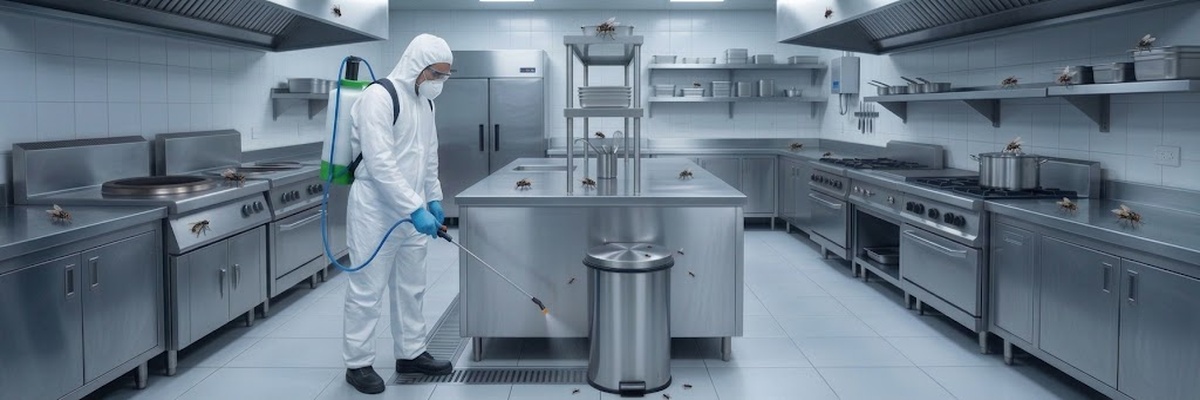
How can restaurants stop flies from coming back when the kitchen is cleaned every day? Recurring flies around dining areas, waste bins, and food preparation spaces can frustrate restaurant owners and staff. When flies continue returning despite regular cleaning, a professional Flies Control Service in Coimbatore can help identify the underlying causes and recommend suitable control measures. Food residue, damp drains, exposed waste, and unsealed entry points can all contribute to recurring fly problems.
Restaurants need a consistent approach that combines proper sanitation, waste management, moisture control, and suitable pest control methods. Identifying and addressing the source of the problem is essential for effective, long-term fly prevention.
Why Do Flies Keep Coming Back to Restaurants?
Flies are attracted to food waste, sugary spills, grease, moisture, and decaying organic matter. Restaurants provide several potential food sources, particularly in kitchens, dishwashing areas, storage rooms, and waste collection zones.
Even when visible surfaces look clean, small amounts of food residue can remain beneath equipment, around floor drains, or inside waste containers. These overlooked areas can attract flies and contribute to repeated activity.
Understanding how restaurants can stop flies from coming back starts with identifying the locations where food residue, moisture, and organic waste accumulate.
What Attracts Flies and Makes Them Return to Restaurants?
Several conditions can encourage flies to return to the same restaurant.
Food Residue and Spills
Food particles, spilled beverages, uncovered ingredients, and grease can attract flies. Cleaning counters alone may not be enough if residue remains under refrigerators, cooking equipment, preparation tables, or shelves.
Restaurants should clean food preparation surfaces regularly and remove spills as soon as they occur.
Poor Waste Management
Open bins, overflowing garbage containers, and food waste left indoors for extended periods can attract flies. Waste should be stored in covered containers, removed frequently, and kept away from food preparation areas whenever possible.
Damp Drains and Standing Water
Floor drains, sink outlets, and other damp areas can collect organic residue. Some small flies may breed in drain buildup, so repeatedly spraying adult flies will not solve the underlying issue.
Regular drain maintenance and appropriate cleaning can help reduce the conditions that support fly activity.
Entry Points Around Doors and Windows
Flies can enter through open doors, unscreened windows, gaps, and poorly sealed service entrances. Frequent deliveries and customer movement can make it difficult to prevent every fly from entering, but suitable screens, door closers, and repairs can reduce access.
Restaurant Areas to Check When Flies Keep Coming Back
When investigating how restaurants can stop flies from coming back, staff should inspect areas that may be missed during routine cleaning.
Kitchen equipment: Check beneath refrigerators, ovens, preparation tables, and other heavy equipment for food residue and grease.
Floor drains: Look for organic buildup, persistent moisture, and unpleasant odours that may indicate a cleaning issue.
Waste storage areas: Inspect bins, lids, surrounding floors, and outdoor waste collection points.
Dishwashing stations: Remove food particles and check for standing water around sinks and drainage areas.
Storage rooms: Keep ingredients properly covered and clean shelves where food residue may collect.
Doors and windows: Check for damaged screens, gaps, and entrances that remain open for long periods.
A consistent inspection and prevention routine can help restaurants stop flies from coming back by addressing recurring sources rather than treating only visible insects.
How Restaurants Can Prevent Flies from Coming Back
Restaurants can reduce recurring fly activity by following practical prevention measures every day.
Maintain a Consistent Cleaning Schedule
Create a cleaning checklist for food preparation surfaces, floors, equipment, drains, and waste storage areas. Assign responsibilities to staff and verify that cleaning tasks are completed at the required times.
Pay particular attention to hidden spaces where food particles and grease can accumulate.
Remove Food Waste Promptly
Use covered bins and empty them before they overflow. Clean and dry waste containers regularly, and ensure that rubbish collection areas do not become sources of fly activity.
Food waste should not remain near preparation areas longer than necessary.
Keep Drains Clean and Dry Where Possible
Remove suitable organic buildup from drains using appropriate cleaning procedures. Repair leaks and address standing water around sinks, dishwashing stations, and other damp areas.
If small flies continue emerging around drains, investigate the source instead of relying only on general insect sprays.
Reduce Fly Entry
Install and maintain suitable insect screens where practical. Keep doors closed when they are not needed, repair gaps, and consider suitable air curtains at busy entrances where appropriate.
Any fly-control equipment should be positioned carefully so it does not contaminate food, utensils, or food-contact surfaces.
Train Staff to Recognise Early Signs
Employees should know how to identify recurring fly activity, report problem areas, and follow sanitation procedures. Recording where and when flies appear can help managers identify patterns and take corrective action sooner.
Knowing how restaurants can stop flies from coming back helps managers build better cleaning routines, manage waste effectively, and identify persistent fly activity early.
How Professional Fly Control Helps Stop Flies from Returning
If flies continue to appear despite consistent cleaning and waste management, professional inspection may be necessary. A pest control professional can assess the type of fly, identify possible breeding areas, and recommend suitable treatment and prevention measures.
For restaurants experiencing persistent fly problems, a Flies Control Service in Coimbatore can help identify contributing conditions and develop a targeted control plan.
Professional treatment should complement routine sanitation rather than replace it. Depending on the source of the problem, the recommended approach may include inspection, targeted treatment, drain-related recommendations, entry-point management, and follow-up monitoring.
Restaurants should also ensure that any pest control products or equipment are used according to their instructions and applicable food safety requirements.
When Should Restaurants Seek Professional Help?
Restaurants should consider professional assistance when:
Flies continue appearing despite regular cleaning.
Fly activity repeatedly occurs around drains or waste storage areas.
The source of the infestation is difficult to identify.
Customers or employees regularly notice flies in dining or food preparation spaces.
Previous control measures have reduced fly numbers temporarily, but the problem returns.
Persistent activity may indicate an overlooked breeding source or an entry point that has not been addressed. An inspection can help determine the appropriate next steps.
Conclusion
How can restaurants stop flies from coming back? The most effective approach is to identify what attracts them, remove potential breeding sources, maintain proper waste management, control moisture, and reduce entry points. Regular inspections and staff training can help maintain these practices over time.
When fly activity continues despite preventive measures, professional support can help identify the underlying cause and recommend a suitable solution. Restaurants can also explore pest control services in Coimbatore for assistance with recurring pest concerns.
By combining consistent hygiene practices with targeted fly control, restaurants can maintain a cleaner environment and help protect food safety and customer confidence.