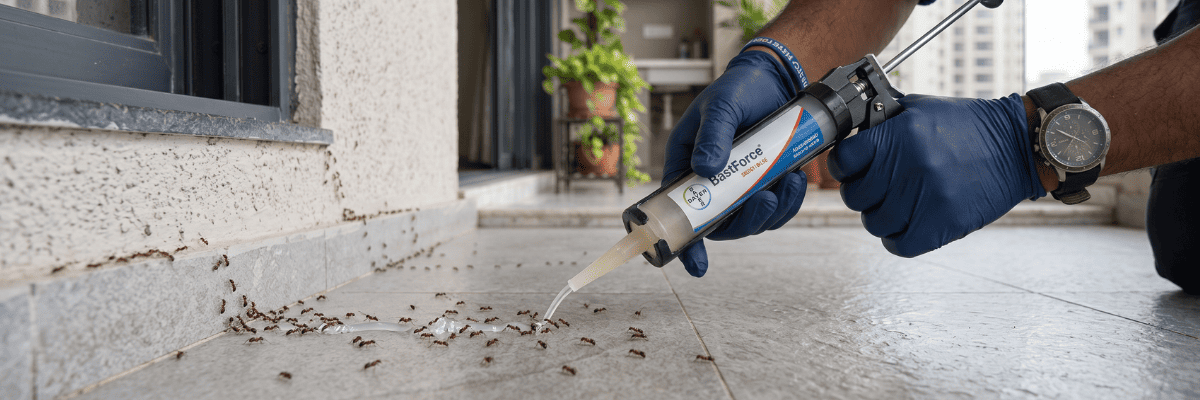



How to Stop Ants from Entering Your Home
How to stop ants from entering your home can be challenging when they keep returning through the same entry point. One morning, your doorway may look completely normal. A few days later, you might notice a line of ants moving along the threshold, kitchen counter, or wall. Even after cleaning the area, the trail may reappear.
This usually happens because ants have found a route that leads to food, water, or shelter. Simply removing the ants you can see may not address the conditions attracting them or the openings they use to enter your home.
The most effective approach combines regular cleaning, sealing entry points, managing moisture, and identifying the source of recurring ant activity. If the problem continues despite these measures, a best ant control service in coimbatore can help identify likely entry points, nesting areas, and suitable treatment options.
Why Is It Important to Prevent Ants from Entering Your Home?
Ants are common household pests, but repeated sightings can become more than a minor inconvenience. A trail near a kitchen counter, pantry, or food storage area may indicate that ants have found a reliable food source or are entering through an opening nearby.
Some ants can move between outdoor environments, waste areas, and indoor food preparation surfaces. Their presence around exposed food, utensils, and kitchen counters can create hygiene concerns.
Recurring ant activity may also indicate conditions that need attention, such as food residue, leaking pipes, damp areas, or gaps around doors and windows. Addressing these issues early can help prevent the problem from becoming more difficult to manage.
When ants continue appearing in multiple rooms or return after repeated attempts to remove them, professional pest control services in coimbatore can help assess the infestation and recommend an appropriate solution.
How Do Ants Get Into Your Home?
Understanding how ants enter a property is an important step toward preventing them. Their small size allows them to pass through openings that may be difficult to notice during everyday cleaning.
Common entry points include:
Gaps beneath doors: Small spaces around door thresholds can provide easy access from outdoor areas.
Cracks around windows: Damaged seals and gaps around window frames may allow ants to enter.
Openings around pipes: Plumbing, drainage, and utility entry points can leave small gaps in walls or floors.
Cracks in walls and flooring: Tiny openings near skirting boards, tiles, and corners may become regular ant routes.
Connections to outdoor areas: Ants may enter through patios, balconies, gardens, or areas where vegetation touches the building.
Once ants find food or water, they may leave chemical scent trails that help other ants follow the same route. This explains why you may see ants returning to the same location even after removing the visible trail.
To identify the likely source, observe where the ants are travelling and, if possible, follow their route toward an opening. Avoid disturbing the trail with chemicals before checking the surrounding area, particularly if you intend to identify the entry point.
Practical Ways to Stop Ants from Entering Your Home
Preventing ants does not always require complicated measures. Several consistent household practices can reduce the conditions that attract them.
1. Keep Food Areas Clean
Food crumbs, sugary spills, grease, and residue can attract ants even when a room appears clean. Pay particular attention to kitchen counters, dining tables, cupboard corners, and areas beneath appliances.
Wipe up spills promptly, clean food preparation surfaces regularly, and sweep or vacuum areas where crumbs accumulate. Empty food waste frequently and keep bins clean, with their lids securely closed.
These habits help reduce available food sources and make your home less attractive to foraging ants.
2. Store Food in Airtight Containers
Leaving food packets open can make it easier for ants to reach their contents. Sugar, biscuits, cereals, pet food, and other frequently used items should be stored in properly sealed containers.
Clean spills inside cupboards and check food storage areas regularly. Avoid leaving pet food out for extended periods when it is not needed, especially if ants have already been seen nearby.
Good food storage practices are particularly important when ants repeatedly appear in kitchens and pantries.
3. Seal Cracks and Gaps
Inspect door frames, window edges, skirting boards, and areas around utility pipes for small openings. Use suitable sealants or weatherstripping to close gaps where appropriate.
For larger openings, damaged structures, or gaps around plumbing and electrical installations, use a suitable repair method rather than sealing them without checking what lies behind them.
Closing entry points can reduce the number of routes ants use to enter your home. However, sealing visible gaps alone may not resolve an established infestation if a colony is nesting nearby.
4. Fix Leaks and Reduce Moisture
Some ant species are attracted to moisture, making damp areas and water sources important to investigate. Check beneath sinks, around taps, near washing machines, and along plumbing connections for leaks.
Repair leaking pipes, dry wet surfaces, and improve ventilation in areas that remain damp. Do not leave standing water in trays or containers where it can be avoided.
Managing moisture can help make indoor areas less attractive to ants and may also help prevent other household pest problems.
5. Clean Visible Ant Trails Carefully
When ants appear in a line, cleaning the surface with an appropriate household cleaner can help remove food residue and scent trails. Follow the cleaner’s label instructions and ensure the surface is suitable for the product.
After cleaning, check where the ants originally entered and whether they are returning through another opening. If the trail reappears, investigate the food source and nearby gaps instead of repeatedly cleaning only the same surface.
Avoid spraying household chemicals near exposed food, food preparation surfaces, children, or pets. Never mix cleaning products, and follow all product safety instructions.
6. Maintain Outdoor Areas Around Your Home
Ants may enter from gardens, patios, balconies, and areas close to the building’s foundation. Keep these areas reasonably clear of food waste and remove debris that collects directly against exterior walls.
Trim vegetation that touches the building where practical, and check outdoor bins for food residue. Inspect the exterior around doors, windows, and utility openings for gaps that may need repair.
Outdoor maintenance can reduce potential access routes, although ants may still enter from other nearby nesting areas.
Common Mistakes to Avoid When Dealing with Ants
Some common responses provide temporary relief without addressing the underlying cause.
Relying only on insect sprays: Spraying visible ants may reduce their numbers temporarily, but it does not necessarily eliminate a nearby colony. The correct approach depends on the ant species, nesting location, and extent of the infestation.
Ignoring small cracks: Cleaning and food storage are important, but ants may continue using an open gap even when no food is visible nearby. Inspecting and sealing suitable entry points is an important part of prevention.
Overlooking water sources: Damp areas, leaking pipes, and standing water can support ant activity. Ignoring these conditions may allow the problem to continue.
Using several treatments at once: Applying multiple insecticides or combining different products without checking their instructions can create unnecessary safety risks. Some treatments may also interfere with others. Follow product labels and seek professional advice when needed.
Expecting immediate, permanent results: Ant activity may take time to resolve, especially when the nest is difficult to locate. Monitor the affected area and investigate recurring trails rather than assuming that one treatment has solved the entire problem.
When Should You Consider Professional Ant Control?
Occasional ants may be manageable through cleaning, food storage, moisture control, and sealing suitable entry points. However, professional assistance may be useful when the infestation keeps returning or the source is difficult to identify.
Consider arranging an inspection if:
Ants continue appearing despite consistent cleaning and preventive measures.
Multiple rooms have recurring ant trails.
Ants are emerging from wall gaps, electrical openings, or other difficult-to-access areas.
You suspect a nest inside a wall, roof space, or another inaccessible location.
You are unsure which treatment is appropriate for the ant species present.
A professional inspection should consider the location of the activity, possible entry routes, environmental conditions, and the suitability of different treatment options.
Treatment methods vary according to the species and the circumstances. A pest control professional can explain the recommended approach, any precautions required, and whether monitoring or follow-up visits may be necessary.
What Does an Effective Ant Prevention Plan Involve?
A practical prevention plan focuses on the cause of the problem instead of treating only the visible ants.
Inspect the affected areas: Look for recurring trails, likely entry points, food sources, and moisture problems.
Remove attractants: Clean food residue, secure food containers, manage waste, and address standing water.
Close suitable entry points: Repair gaps around doors, windows, pipes, and other accessible openings.
Choose appropriate treatment: If ants persist, identify the likely species and select a suitable treatment according to the product instructions or professional advice.
Monitor the results: Check the affected areas over the following days and weeks. If ants return, reassess the entry points and conditions rather than assuming the problem has been resolved.
Following these steps can help reduce recurring ant activity. The exact approach may differ depending on the species, the location of the nest, and the conditions around your property.
Frequently Asked Questions
How do I keep ants away from my house permanently?
No method can guarantee that ants will never enter your home. However, keeping food sealed, cleaning spills, fixing leaks, closing suitable gaps, and addressing active infestations can significantly reduce the likelihood of recurring problems.
Why do ants keep entering my house even when it is clean?
Ants may be attracted to moisture, hidden food residue, pet food, or nesting opportunities. They may also enter through small openings around windows, doors, and pipes. A clean home can still have ant activity if an entry point or nearby colony remains.
What foods attract ants the most?
Many ants are attracted to sugary foods and liquids, including sugar, syrup, fruit juice, and sweet spills. Other species may seek proteins or greasy food residues. Keeping food sealed and cleaning spills promptly helps reduce these food sources.
Does vinegar stop ants from entering a house?
Cleaning with an appropriate vinegar solution may help remove some scent trails from suitable surfaces, but it does not reliably eliminate a colony or prevent all future entry. Check surface compatibility before using vinegar, and never mix it with bleach or other cleaning chemicals.
Can sealing cracks alone solve an ant infestation?
Sealing gaps can reduce access, but it may not eliminate a colony already nesting inside or near the property. If ants continue appearing, investigate other entry points and food or moisture sources. Additional treatment may be needed.
Are ants inside the house a sign of poor hygiene?
Not necessarily. Ants can enter clean homes while searching for food, water, or shelter. However, exposed food, spills, waste, and moisture can make an area more attractive to them, so regular housekeeping remains an important preventive measure.
When should I call a pest control professional?
Consider professional help when ant trails keep returning, several rooms are affected, the nest cannot be located, or household prevention methods have not worked. A professional can inspect the affected areas and recommend treatment based on the specific situation.
Conclusion
Learning how to stop ants from entering your home starts with understanding why they are coming inside and how they are getting through. Cleaning visible trails is useful, but long-term prevention also involves managing food sources, reducing moisture, sealing suitable openings, and monitoring recurring activity.
Start by inspecting the areas where ants appear most frequently. Look for small gaps, food residue, leaking pipes, and other conditions that may be attracting them. If the problem continues despite these efforts, a professional inspection can help identify the source and determine an appropriate treatment plan.
Paradise Pest Control has experience working across residential, commercial, and industrial properties, with over 20 years of experience and more than 5,500 clients served. When recurring ant activity becomes difficult to manage, understanding the cause is an important first step. You can also revisit this article on how to stop ants from entering your home to review the preventive steps before your next cleanup.