


How Long Does Termite Treatment Last?
Termite treatment helps protect your property from termite damage, but how long does termite treatment last? The answer depends on the treatment method, building structure, soil conditions, moisture levels and the risk of future termite activity.
Some termite treatments are designed to provide long-term protection, while others may require monitoring, maintenance or additional treatment depending on the circumstances. Understanding these factors can help homeowners and property managers make informed decisions about termite prevention.
If you are experiencing termite problems, professional termite control service in Coimbatore can help identify the source of the infestation and determine a suitable treatment approach. Paradise Pest Control also provides pest control solutions for residential, commercial and industrial properties.
How Long Does Termite Treatment Usually Last?
There is no fixed duration that applies to every termite treatment. The effectiveness of a treatment depends on the products used, application quality, building conditions and the level of termite activity around the property.
The expected protection period can also differ between pre-construction and post-construction termite treatments.
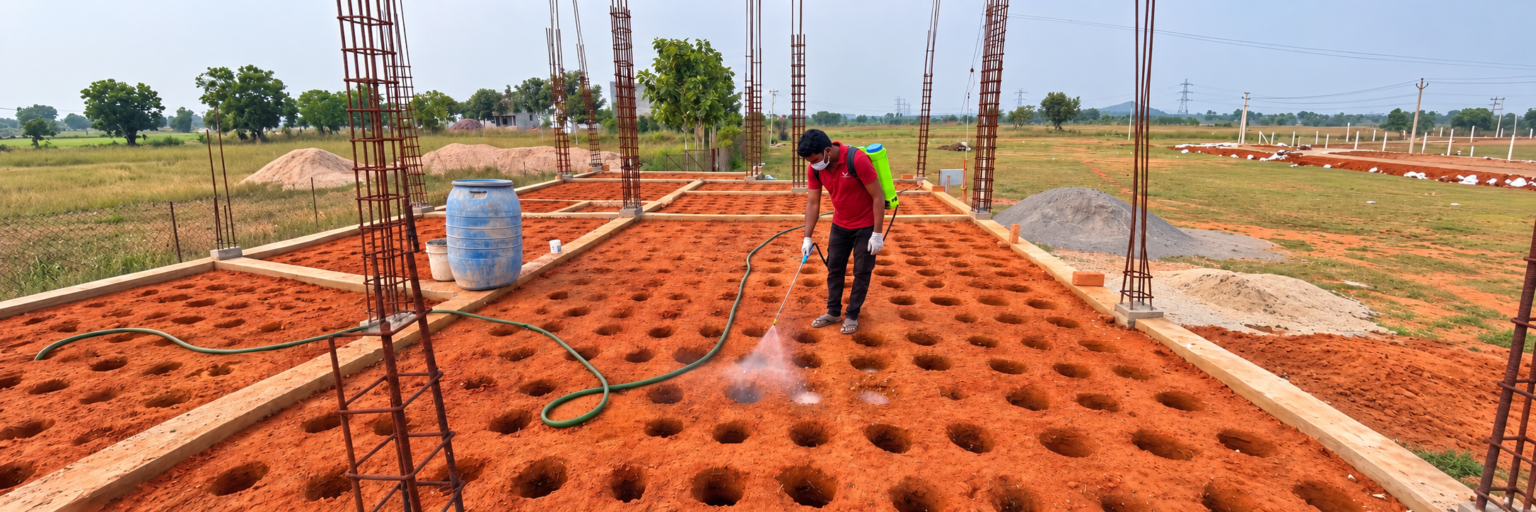
Pre-construction termite treatment: Applied during the construction process to help protect the building against termite entry through the soil and foundation.
Post-construction termite treatment: Used in existing buildings to address termite activity and protect vulnerable areas, depending on the structure and treatment method.
Localized termite treatment: Targets specific affected areas, such as infested wooden elements or identified termite entry points.
Preventive termite management: Combines suitable treatment methods with moisture control, inspections and property maintenance.
The actual protection period should be confirmed with the pest control professional who carries out the treatment. Product specifications, treatment records and any applicable warranty can provide more reliable guidance than a general estimate.
What Factors Affect How Long Termite Treatment Lasts?
Several factors influence how long termite treatment remains effective. Understanding them can help you maintain better protection for your property.
1. Type of Termite Treatment
Different termite control methods work in different ways. Soil treatments, localized applications and treatments for existing infestations may have different protection periods and maintenance requirements.
The expected duration depends on the specific product, its approved application method and the conditions in which it is used.
2. Soil and Environmental Conditions
Soil composition, drainage and environmental exposure can affect certain termite treatments. Changes to the soil around a building may also create new opportunities for termites to reach the structure.
Landscaping, excavation and construction work should be assessed carefully if they disturb previously treated areas.
3. Moisture and Water Leakage
Moisture is an important factor in termite prevention. Leaking pipes, damp walls, poor drainage and water accumulation near foundations can create favourable conditions for termite activity.
Repairing leaks and improving drainage can help reduce these risks, although moisture control alone cannot eliminate an established termite infestation.
4. Building Design and Construction
Cracks, construction joints, foundation openings and direct contact between soil and untreated wood can create potential termite entry points.
A professional inspection should consider these areas, along with other parts of the property where termite activity may remain hidden.
5. Quality of Application and Follow-Up
Correct preparation, application and coverage are important for achieving the intended treatment performance. Follow-up inspections can help identify new termite activity or conditions that may require attention.
Why Do Termites Return After Treatment?
Termites can sometimes reappear after a property has been treated. This does not automatically mean that the original treatment failed.
Possible reasons include:
New termite entry points developing around the building.
Areas that were inaccessible or not included in the original treatment.
Moisture problems attracting termite activity.
Construction or landscaping work disturbing treated soil.
New termite colonies approaching the property.
Termites can remain hidden inside walls, wooden structures and soil. Therefore, seeing termites again should prompt an assessment of the affected area rather than an assumption that the entire property needs immediate retreatment.
Look for mud tubes, damaged wood, discarded wings and other signs of termite activity. If these signs appear, arrange a professional inspection to determine the appropriate next step.
Is Professional Termite Treatment Better Than DIY Sprays?
Household insecticide sprays may kill visible termites, but they may not reach the colony or address the source of the infestation.
Termites often travel through soil, concealed spaces and wooden structures. Treating only the insects that are visible may leave other affected areas untouched.
Professional termite control generally involves identifying termite activity, assessing the building and selecting an appropriate treatment method for the situation.
Paradise Pest Control provides termite control services and describes its offerings as including eco-friendly pre-construction termite treatment. Ask the service provider about the specific treatment proposed for your property, its expected protection period and any applicable warranty.
The most suitable approach depends on whether the building is under construction, already occupied or showing signs of an active infestation.
How to Make Termite Treatment Last Longer
Although no treatment can guarantee permanent protection, proper property maintenance can help reduce the risk of future termite problems.
Control Moisture Around Your Property
Repair leaking taps and pipes, maintain drainage systems and address persistent dampness. Avoid allowing water to accumulate near the building’s foundation.
Keep Wooden Materials Away From Foundations
Where practical, avoid storing firewood, untreated timber, cardboard and other cellulose materials directly against exterior walls or foundations.
Inspect Vulnerable Areas Regularly
Pay attention to wooden doors, window frames, skirting boards, cupboards, storage areas and other locations where termite damage may be difficult to notice.
Avoid Disturbing Treated Areas
Before undertaking excavation, landscaping or structural renovation, check whether the work could affect previously treated soil or other protective measures.
Arrange Professional Inspections When Needed
If you notice mud tubes, damaged wood or other signs of termite activity, seek a professional assessment. Inspection frequency should reflect the building’s history, environmental conditions and treatment requirements.
When Should You Schedule Another Termite Inspection?
There is no universal rule that every property must be retreated after a specific number of years. The right schedule depends on the treatment method, product instructions, property conditions and previous termite activity.
You may need an additional inspection when:
Termites or mud tubes appear after treatment.
You discover new damage to wooden structures.
Plumbing leaks or water damage affect the building.
Renovation or excavation disturbs previously treated areas.
The recommended inspection or warranty review date approaches.
Routine pest control schedules can differ from termite-specific protection schedules. Paradise Pest Control provides general pest control guidance that may recommend inspections or treatments every 3–6 months depending on the pest and infestation level. This interval should not automatically be treated as the required schedule for every termite treatment.
For the correct follow-up timing, refer to your treatment documentation and ask the service provider to assess your property’s specific needs.
Frequently Asked Questions About Termite Treatment
How long does termite treatment last?
The duration varies depending on the treatment method, application quality, soil conditions, building structure and termite pressure. Check the treatment documentation or consult the professional who performed the service for a property-specific estimate.
Can termites come back after treatment?
Yes. New termite activity can occur if termites find untreated entry points, favourable environmental conditions or areas affected by later construction work. Follow-up inspection can help identify the cause.
Does termite treatment permanently prevent termites?
No treatment should be considered a permanent guarantee. Appropriate treatment, moisture control, building maintenance and monitoring work together to reduce the risk of future termite activity.
How do I know if termites have returned?
Common warning signs include mud tubes, damaged or hollow-sounding wood, discarded wings and fresh termite activity around previously affected areas. A professional inspection can help confirm the cause.
Should I treat my property again if I see one termite?
Not necessarily. A single visible termite does not establish the extent of an infestation or prove that the original treatment failed. Have the affected area assessed before deciding whether additional treatment is needed.
Is pre-construction termite treatment different from post-construction treatment?
Yes. Pre-construction treatment is carried out during construction, while post-construction treatment is intended for existing buildings. The application method and protection requirements depend on the property and the treatment selected.
When should I contact a termite control professional?
Contact a professional if you notice recurring termite activity, unexplained wood damage, mud tubes or signs of termites near your foundation. Early assessment can help determine whether treatment or further investigation is necessary.
Conclusion: Protect Your Property With the Right Termite Treatment
So, how long does termite treatment last? There is no single answer for every property. The duration depends on the treatment method, application quality, building conditions, moisture levels and the possibility of new termite entry.
The best approach is to combine suitable termite treatment with moisture control, property maintenance and inspections when needed. Monitoring your property can help you identify early warning signs before termite damage becomes extensive.
Paradise Pest Control states that it has more than 20 years of industry experience and has served over 5,500 clients across residential, commercial and industrial sectors.
If you are concerned about termite activity or want to understand the right treatment for your property, explore our termite control service in Coimbatore or visit Paradise Pest Control to learn more about available pest control services.