

How Long Does Termite Treatment Last? Everything You Need to Know

How Long Does Termite Treatment Last? Everything You Need to Know.
A termite treatment can protect a property from an active infestation, but many property owners wonder how long that protection will actually last. The answer is not the same for every building because treatment type, construction, moisture, termite activity and site conditions can all affect the result.
For property owners looking for professional help, Best Termite Control Service in Coimbatore is one option to consider when dealing with termite activity. Paradise Pest Control also provides pest control services in Coimbatore for residential, commercial and industrial properties.
Understanding what affects treatment life can help you decide when inspection, follow-up or preventive action may be needed.
How Long Does Termite Treatment Usually Last?
There is no single number of years that applies to every termite treatment. The expected duration depends on the treatment method, the level of infestation, the building structure and whether conditions around the property continue to support termite activity.
Some treatments are designed to provide longer-lasting protection, while others may need monitoring or repeat treatment depending on the situation. A professional inspection is therefore more useful than relying on a fixed timeline.
Termite control should also not be viewed as a one-time solution that means the property can never have termites again. New termite activity can occur if soil conditions, moisture or untreated areas create an opportunity for another infestation.
What Affects the Life of Termite Treatment?
The condition of the property is one of the biggest factors. Cracks, construction joints, soil contact and areas where moisture collects can influence how easily termites reach a building.
Moisture is particularly important because damp conditions can make some areas more attractive to termites. Plumbing leaks, poor drainage and water accumulation near foundations should therefore be addressed alongside termite treatment.
The treatment method matters too. Different properties require different approaches depending on whether termites are active in the soil, building structure or wooden elements.
This is why a professional termite inspection should consider the entire property rather than focusing only on the location where termites were first noticed.
Why Termites Can Return After Treatment
Seeing termites again after treatment does not automatically mean that the original treatment was ineffective. Termites can find new routes into a property, particularly when there are untreated areas or favourable conditions nearby.
Renovations and construction work can also change the structure of a building. New extensions, disturbed soil or newly installed wooden elements may create conditions that need to be assessed separately.
For this reason, monitoring is an important part of long-term termite management. If signs such as mud tubes, damaged wood or discarded wings appear again, the property should be inspected instead of simply applying a household insecticide.
Is Professional Termite Treatment Better Than DIY Sprays?
DIY products may appear convenient when a property owner notices a few termites. However, visible termites may not represent the full extent of the infestation.
Termites can remain hidden in soil, walls, wooden structures and other inaccessible areas. Treating only the insects that can be seen may leave the underlying problem untouched.
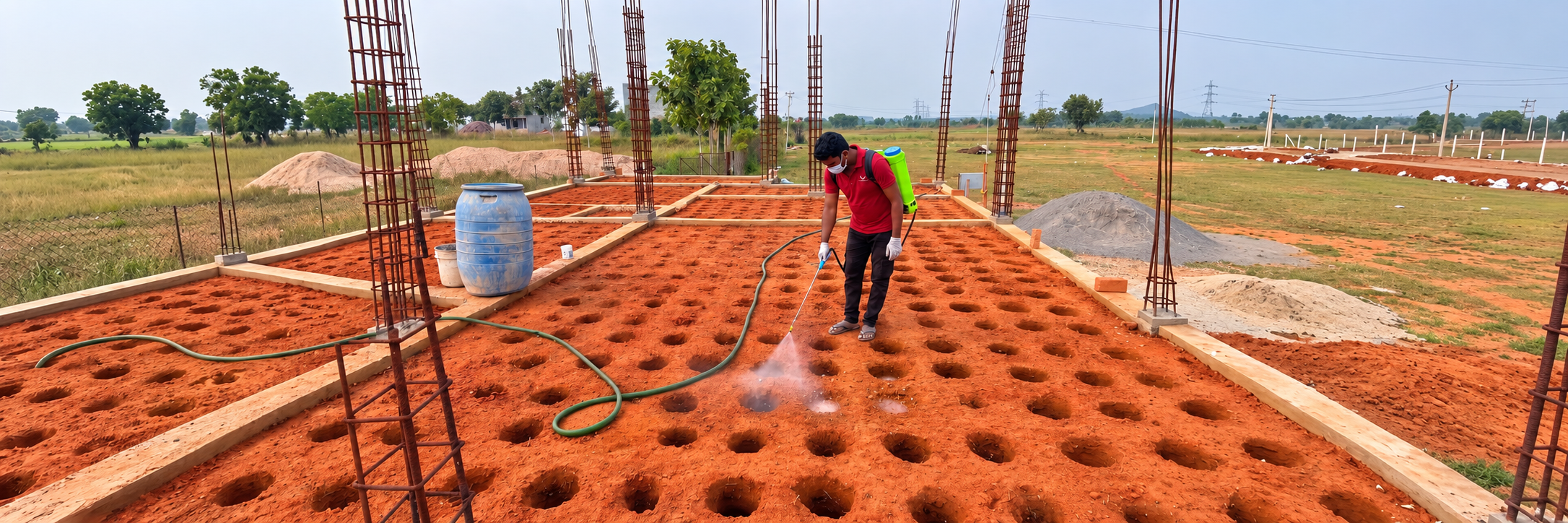
Professional termite control focuses on identifying activity and selecting a treatment approach based on the property. Paradise Pest Control states that its termite services include eco-friendly pre-construction treatment designed for lasting protection.
The right approach also depends on whether the building is newly constructed, already occupied or showing signs of an established infestation.
What Should You Do After Termite Treatment?
A treatment is only one part of protecting a property. Simple changes around the building can help reduce conditions that may encourage future termite activity.
- Control moisture: Repair leaking pipes, taps and drainage problems promptly.
- Keep foundations clear: Avoid unnecessary soil, wood or other materials accumulating against the structure.
- Watch for warning signs: Check for mud tubes, damaged wood, wings or other evidence of termite activity.
- Avoid disturbing treated areas: Construction or landscaping work can affect previously treated zones.
- Arrange inspections when needed: Recurring signs should be investigated rather than ignored.
Regular observation is especially useful for larger properties where some areas may not be used frequently. Early attention can prevent a small sign from becoming a much larger structural concern.
When Should You Consider Another Termite Inspection?
There is no universal rule that every property needs treatment again after exactly a certain number of years. Instead, inspection frequency should reflect the property’s construction, history and risk factors.
A property that has experienced termite activity before may deserve closer attention than a building with no previous signs. Likewise, major renovation, water damage or changes to the surrounding soil may justify another assessment.
Paradise Pest Control’s contact information states that treatment frequency depends on the pest and infestation level, with regular inspections and treatments generally recommended every 3–6 months for pest-control needs. For termite protection specifically, the appropriate schedule should be determined from the treatment and property conditions rather than applying that general interval automatically.
Frequently Asked Questions
How long does termite treatment last?
The duration varies according to the treatment method, property structure, environmental conditions and termite pressure. A professional assessment is the best way to understand how long a particular treatment is expected to remain effective.
Can termites come back after treatment?
Yes. New termite activity can occur if termites find untreated routes, favourable moisture conditions or other access points. Monitoring helps identify problems early.
Does termite treatment completely prevent termites?
No treatment should be treated as a permanent guarantee. Good termite management combines appropriate treatment with moisture control, property maintenance and periodic inspection.
How do I know if termites have returned?
Look for mud tubes, damaged or hollow-sounding wood, discarded wings, termite bodies or new signs around previously affected areas. If you notice these signs, professional inspection is advisable.
Should I treat my property again if I see one termite?
Not necessarily. One visible termite does not reveal the full situation. It is better to identify where the activity is coming from and determine whether further treatment is actually required.
Conclusion
So, how long does termite treatment last? There is no universal answer. The effectiveness and duration depend on the treatment method, building conditions, moisture, termite activity and whether new access points develop over time.
The most sensible approach is to combine professional treatment with regular observation and basic property maintenance. Acting when early signs appear is generally better than waiting until visible structural damage becomes extensive.
Paradise Pest Control states that it has more than 20 years of industry experience and has served 5,500+ satisfied clients across residential, commercial and industrial sectors.
If you are researching how long termite treatment can protect your property, understanding these factors can help you make a more informed decision about inspection and follow-up care. For properties showing signs of termite activity, you can also contact Paradise Pest Control for further information.