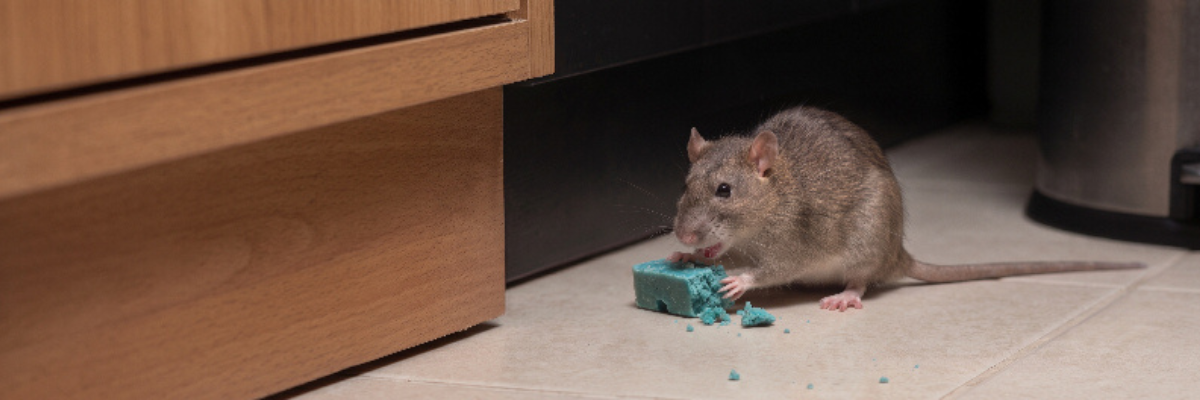



Why Rats Enter Homes and How to Prevent Them
A rat rarely enters a home without a reason. Food, water, warmth, shelter and easy access can all make a property attractive to rodents. A small opening near a door, pipe or drain may be enough for them to get inside and find a hidden place to stay.
For homeowners dealing with repeated activity, Rodent Control Service in Coimbatore can help identify the source of the problem and address the infestation. Property owners can also consider pest control services in Coimbatore when ongoing pest problems require professional attention.
The good news is that understanding why rats enter homes makes prevention much easier. Small changes in food storage, waste management and property maintenance can reduce the conditions that attract them.
Why Do Rats Enter Homes?
Rats are constantly looking for food, water and safe places to shelter. A house can unintentionally provide all three, especially when food is left uncovered, waste is easily accessible or there are quiet spaces where rodents can hide.
Kitchens are particularly attractive because food scraps and water are often available. But rats do not necessarily stay there. They may move through cupboards, storage spaces, wall gaps, ceilings or other hidden areas.
Weather and changes around a property can also influence rodent movement. When outdoor conditions become less suitable, rodents may look for warmer, safer shelter indoors.
This is why simply removing one rat does not always solve the problem. If the conditions that attracted it remain, another rodent may eventually find the same opportunity.
Where Do Rats Usually Enter a House?
Rats can use surprisingly small openings to gain access to buildings. Cracks around pipes, gaps beneath doors, damaged vents and openings near drainage systems can all become potential entry routes.
Areas around kitchens, utility rooms, garages, storage spaces and waste-disposal points deserve particular attention. In some properties, rodents may also move through concealed spaces before entering the main living areas.
Paradise Pest Control’s rodent service specifically identifies entry points, nesting areas and signs of rodent activity as part of its inspection process.
Finding these routes is important because eliminating the visible rodent without addressing how it entered leaves the property vulnerable to another infestation.
What Attracts Rats Inside Homes?
Food is one of the most obvious attractions, but it is not the only one. Pet food, uncovered rubbish, spilled grains and food residue can all provide easy feeding opportunities.
Water also matters. Leaking taps, plumbing problems, damp areas and standing water can make a property more appealing to rodents.
Shelter is another major factor. Cluttered storage areas, unused boxes, piles of materials and dark spaces can provide places for rats to hide and potentially nest.
A home does not need to be dirty for rats to appear. Even a well-maintained property can develop a rodent problem if there is an accessible entry point or a nearby source of food and shelter.
Common Signs That Rats Have Entered Your Home
Rats are often active when people are asleep, so you may notice evidence before seeing the animal itself. Droppings around food-storage areas, cupboards or hidden corners can be an early warning sign.
Gnaw marks are another useful clue. Rats need to gnaw regularly, so damaged food packets, wooden surfaces, wires or other materials may indicate activity.
You may also hear scratching or movement inside walls, ceilings or storage spaces, particularly at night. A strong or unusual smell in a concealed area can sometimes indicate prolonged rodent activity.
If several signs appear together, it is better to investigate early rather than wait for the problem to become obvious.
How Can You Prevent Rats From Entering?
The most effective prevention combines good housekeeping with physical exclusion. A home should be made less attractive to rodents while potential access routes are identified and addressed.
Start by storing food in sealed containers and cleaning food spills quickly. Do not leave pet food or leftovers exposed for long periods, particularly overnight.
Keep household waste in covered bins and clean areas around waste containers regularly. Outdoor rubbish and discarded materials should also be managed carefully because they can provide food or shelter close to the building.
Check around doors, windows, pipes, vents and drainage points for gaps. Where appropriate, damaged openings should be repaired or sealed using materials suitable for the location.
Reducing clutter is helpful too. Storage areas should remain reasonably organised so that signs of rodent activity can be noticed early and potential hiding places are reduced.
When Is Professional Rodent Control Necessary?
Prevention works best when there is no established infestation. Once rats have started nesting or moving regularly through a property, household measures may not be enough.
DIY traps or store-bought products may deal with an individual rodent, but they may not reveal how many rodents are present or where they are nesting. They also do not automatically solve the entry-point problem.
According to Paradise Pest Control, its process includes inspection and identification, targeted treatment, entry-point sealing, and monitoring and prevention. The service page also describes baiting and trapping methods as part of its approach.
Professional treatment is particularly useful when rodent activity continues after basic prevention measures have been taken. It can help determine whether the problem is limited to one area or involves hidden spaces elsewhere in the property.
Frequently Asked Questions
Why do rats suddenly enter my house?
Rats may enter when they find accessible food, water or shelter. Changes in weather, nearby construction, waste accumulation or a newly available opening can also encourage them to move indoors.
Can rats enter through small holes?
Yes. Rats can use relatively small openings, particularly around pipes, drains, doors, vents and damaged sections of a building. Sealing potential access points is therefore an important part of prevention.
How do I know if I have rats in my house?
Common signs include droppings, gnaw marks, scratching sounds, damaged food packaging, unusual smells and signs of movement in hidden areas.
Will keeping my house clean prevent rats?
Good hygiene can reduce food sources, but cleanliness alone cannot guarantee prevention. Rats can still enter through gaps or find shelter in areas that are rarely disturbed.
What should I do if rats keep coming back?
Repeated activity usually means there is an unresolved source, entry point or nesting area. A professional inspection can help identify the cause and determine an appropriate control approach.
Conclusion
Rats enter homes mainly because they find something useful inside: food, water, shelter or an easy route through the building. Preventing them therefore involves more than simply setting a trap after a rat has been spotted.
Keep food secured, manage waste carefully, reduce clutter and regularly check potential entry points around the property. If signs continue, early professional attention can help identify hidden activity and reduce the chance of the problem becoming larger.
Paradise Pest Control states that it has over 20 years of experience and has served 5,500+ satisfied clients across residential, commercial and industrial sectors.
If you want to understand more about why rats enter homes and how to prevent them, focusing on both prevention and early detection is a practical place to start. For recurring rodent activity, you can also contact Paradise Pest Control to discuss the situation and available options.