

How to Prevent Termites in Wooden Furniture and Doors

How to Prevent Termites in Wooden Furniture and Doors
How to prevent termites in wooden furniture and doors is an important question for homeowners who want to protect their wooden wardrobes, beds, cupboards, and door frames from damage. Termites can remain hidden inside wood for a long time, gradually weakening its internal structure before visible signs appear. Regular inspection, moisture control, and suitable wood protection methods can help reduce the risk of termite infestation.
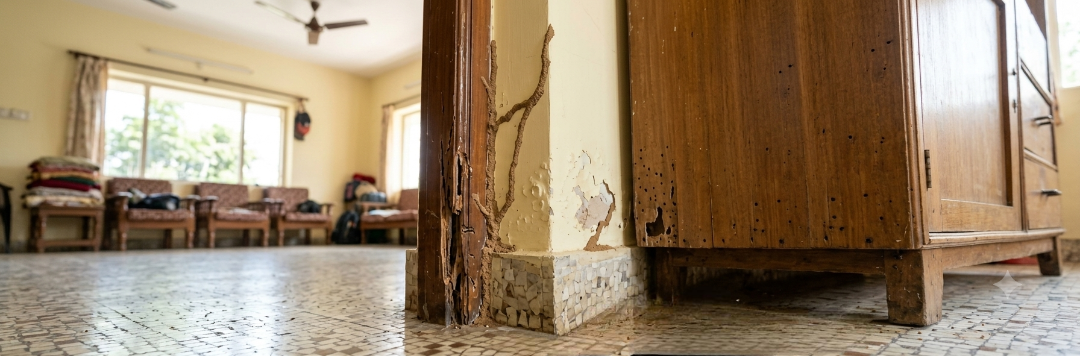
Wooden furniture and doors are long-term investments in any home. However, untreated wood, damp surroundings, and hidden termite entry points can make them vulnerable to attack. If you notice mud tubes, hollow-sounding wood, or signs of wood damage, early inspection is important. Homeowners experiencing recurring termite problems can consult a reliable termite control service in Coimbatore to identify the source of the infestation and find an appropriate treatment solution.
Why Are Wooden Furniture and Doors Vulnerable to Termites?
Termites feed on cellulose, a natural component found in wood and other plant materials. Wooden furniture, door frames, skirting boards, and cupboards can therefore become potential food sources for certain termite species.
The risk depends on several factors, including the type of termite, moisture conditions, wood treatment, and whether the wood is in contact with soil or another infested structure.
Here are some common situations that can increase the risk:
Wooden door frames installed close to damp walls or floors.
Furniture placed against walls with persistent moisture.
Untreated or inadequately protected wooden surfaces.
Cracks and gaps that allow termites to enter concealed areas.
Existing termite colonies in soil or nearby structural timber.
Understanding these conditions makes it easier to choose the right prevention methods for your home.
7 Ways to Prevent Termites in Wooden Furniture and Doors
1. Keep Wooden Furniture Away from Moisture
Moisture management is one of the most useful steps in reducing termite risk. Leaking pipes, damp walls, water seepage, and poorly ventilated rooms can create conditions that favour certain termites.
Check the areas around wardrobes, wooden beds, kitchen cabinets, and door frames for signs of dampness. Repair plumbing leaks promptly and address the cause of recurring wall or floor moisture.
Where possible, leave a small gap between furniture and walls to improve airflow and make inspections easier. However, remember that dry conditions alone cannot guarantee protection from termites.
2. Apply Suitable Wood Protection Treatments
Wood preservatives and protective coatings can help protect wooden surfaces when the correct product is selected and applied properly.
Depending on the furniture and its finish, suitable options may include:
Protective wood coatings recommended for the specific timber.
Appropriate wood preservatives for exposed or untreated wood.
Manufacturer-approved protective treatments during furniture installation.
Professional termite treatment when the risk or infestation requires it.
Paint, varnish, and polish should not be considered a complete termite-proofing solution. Some termites can enter through concealed joints, cracks, untreated edges, or the surrounding structure.
Always follow product instructions and use qualified professionals for treatments that require specialist handling.
3. Inspect Wooden Doors and Frames Regularly
Door frames can be particularly difficult to inspect because termites may attack the wood from the inside. The outer surface may initially appear normal even when internal damage has started.
During routine maintenance, look for:
Mud tubes along the frame, adjoining wall, or floor.
Wood that sounds unusually hollow when gently tapped.
Paint that appears blistered or uneven without an obvious surface cause.
Small holes, damaged edges, or weakened wooden sections.
Doors or frames that begin to crack or deteriorate unexpectedly.
These signs do not always confirm termite activity, but they justify a closer inspection. Avoid breaking apart structural wood unnecessarily, especially if the extent of the damage is unknown.
4. Avoid Direct Contact Between Wood and Soil
Certain termite species can enter buildings from colonies in the soil. Wooden structures that directly contact soil or remain exposed to persistent ground moisture may face a higher risk.
For outdoor wooden furniture, garden structures, and ground-level installations, consider the following precautions:
Keep wooden components appropriately elevated above the ground.
Avoid burying untreated timber in soil.
Remove wood scraps and discarded wooden materials from around the building.
Check door frames and other timber near garden beds for signs of termite activity.
Use suitable construction details and termite protection measures where required.
For new homes or renovations, discuss termite-resistant construction practices with your contractor before installing permanent wooden fixtures.
5. Keep Storage Areas Clean and Well Ventilated
Cluttered storage spaces can make termite activity difficult to identify. Cardboard boxes, paper materials, old wooden furniture, and discarded timber can also provide cellulose sources.
To reduce unnecessary risk, avoid storing cardboard directly on damp floors. Keep unused wood away from walls where possible, and inspect cupboards, lofts, storerooms, and under-stair storage areas periodically.
Good ventilation helps manage moisture, while an organised storage area makes it easier to notice changes in wooden materials.
6. Protect Wooden Furniture During Renovation
Renovation is a useful opportunity to inspect hidden areas that are normally difficult to access. Before installing new wardrobes, cabinets, doors, or wooden partitions, check the surrounding walls and floors for dampness or signs of termite activity.
Consider these steps:
Repair water leaks and resolve persistent moisture problems.
Inspect existing timber and adjoining structures for termite damage.
Choose suitable, properly treated wood for the intended application.
Follow the manufacturer’s recommendations for wood protection.
Arrange professional assessment if there is a history of termite infestation.
Installing new furniture over an existing termite problem may expose the new wood to the same risk. Address suspected activity before closing off the area with permanent fixtures.
7. Arrange Professional Inspection When Needed
Some termite activity cannot be identified through a simple visual check. Colonies may remain concealed in soil, wall cavities, door frames, or internal sections of furniture.
A professional inspection can help determine whether visible damage is consistent with termite activity, identify accessible entry points, and establish whether preventive measures or active treatment are appropriate.
If termites have already damaged a wooden door or wardrobe, simply applying polish or replacing the damaged surface may not resolve the underlying problem. The source of the infestation needs to be assessed as well.
For persistent or widespread problems, consult a qualified termite control service in Coimbatore to discuss suitable termite inspection and treatment options.
Can Polish or Paint Prevent Termites Completely?
Polish and paint can improve the appearance of wooden furniture and provide some surface protection. However, they cannot guarantee complete termite prevention.
Termites may enter through joints, concealed surfaces, cracks, or the building structure. A polished wardrobe can still be affected if an active colony reaches it through an unprotected area.
For better protection, combine appropriate wood maintenance with moisture control, regular inspection, and suitable termite prevention measures. If termite activity is already present, determine the extent of the infestation before relying on surface coatings.
Frequently Asked Questions
How often should wooden furniture be checked for termites?
Inspect wooden furniture and door frames every few months, and check sooner if you notice dampness, damaged paint, mud tubes, or unexplained deterioration. Properties with a previous termite problem may need more frequent monitoring.
Can termites damage newly purchased wooden furniture?
Yes. New furniture can become infested if it contains susceptible wood or is exposed to termites already present in the surrounding building. New furniture does not automatically mean the property is free from termite activity.
Does keeping a house clean prevent termites?
Regular cleaning helps remove discarded wood, cardboard, and clutter that can hide termite activity. However, cleanliness alone cannot prevent termites from entering from the soil or infesting concealed timber.
What should I do if I find termites inside a wooden door frame?
Avoid disturbing the area excessively. Photograph visible signs, check for nearby mud tubes or moisture problems, and arrange a professional inspection. If the frame is structurally weakened, have its condition assessed before attempting repairs.
Is termite treatment necessary before installing new wooden furniture?
It depends on the property’s history and risk. If there are signs of active termites or previous structural infestation, investigate and address the problem before installing new furniture. Preventive treatment should be based on an assessment of the property rather than applied automatically in every situation.
Can termite-damaged furniture be repaired?
Some furniture can be repaired if the damage is limited and the remaining structure is sound. Severely weakened or extensively damaged pieces may need replacement. Any active infestation should be assessed and addressed before refinishing or repairing the furniture.
Conclusion
Preventing termites in wooden furniture and doors requires more than applying polish or paint. Managing moisture, inspecting door frames, protecting exposed timber, maintaining clean storage spaces, and identifying early warning signs can all help reduce the risk of damage.
If you discover mud tubes, hollow-sounding wood, or repeated damage to wooden furniture, investigate the cause instead of treating only the visible surface. Early assessment can help you understand the extent of the problem and choose an appropriate solution.