
What Happens During Professional Snake Removal – A Complete Guide

What Happens During Professional Snake Removal – A Complete Guide
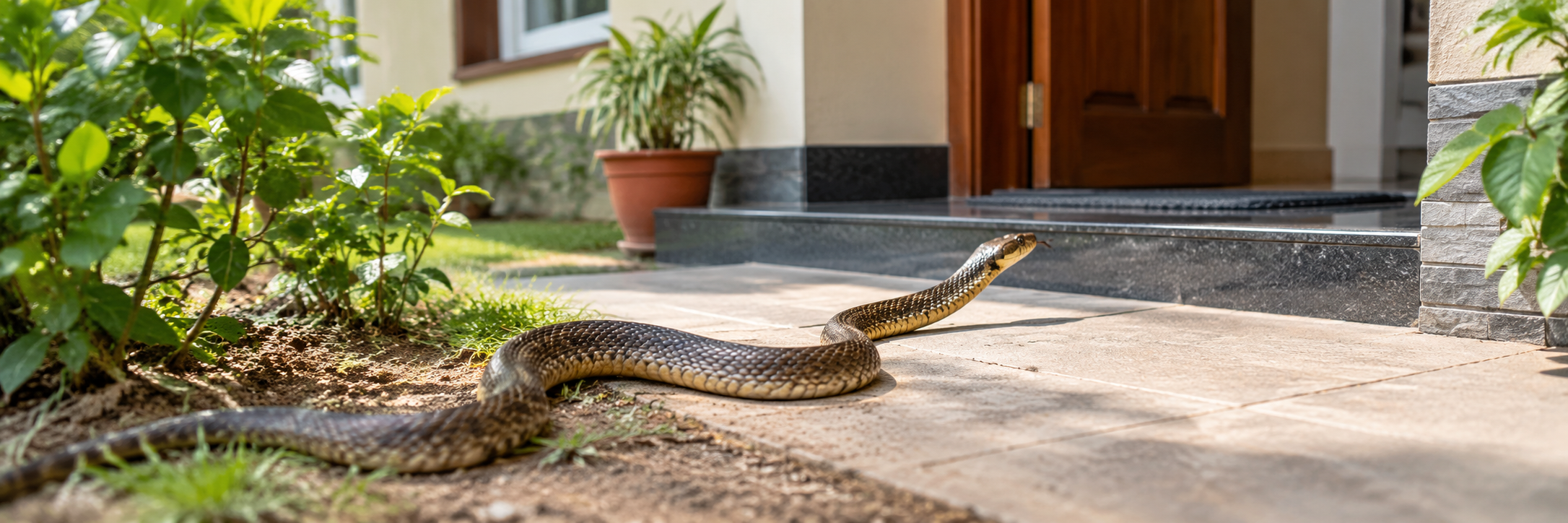
Finding a snake near your front door, in the garden, or inside a storage room can be frightening. Homeowners may worry about their family and pets, while business owners may be concerned about employee safety and interruptions to daily operations. Knowing how professional assistance works can help you respond calmly and avoid unnecessary risks.
Snakes may enter properties while searching for food, water, or shelter. Although not every snake is venomous, identifying a species from a quick glance can be difficult. Attempting to catch, chase, or kill a snake can increase the risk of a bite.
Professional Snake Control Service in Coimbatore can help property owners understand suitable inspection and prevention measures. You can also explore pest control services in Coimbatore to learn more about maintaining safer residential and commercial spaces.
The process depends on the snake’s location, whether it is still visible, and the conditions surrounding the property. Understanding what happens before, during, and after professional assistance helps you make informed decisions without putting yourself or others in danger.
Why Professional Snake Removal Matters
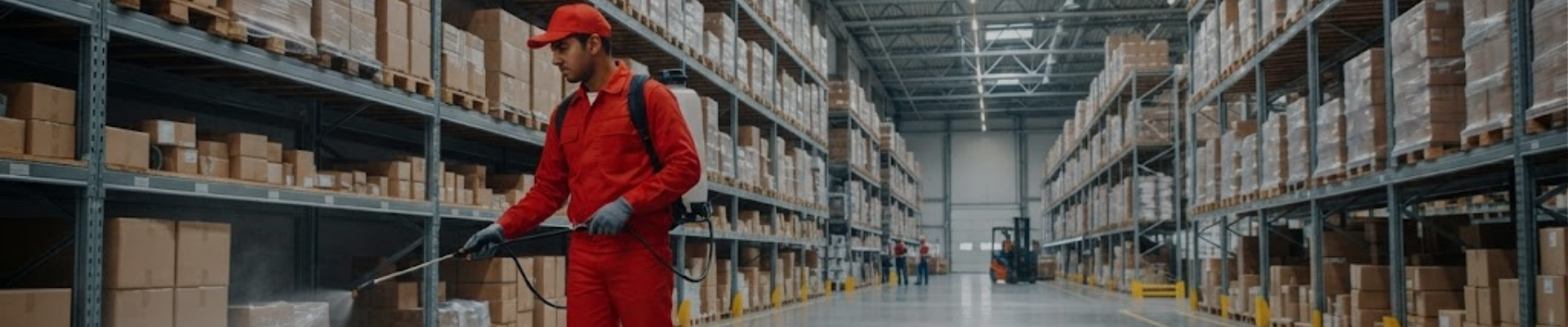
Snakes are sometimes found in gardens, garages, warehouses, farms, and unused storage areas. These locations may offer shelter, access to prey, or quiet places where snakes can remain undisturbed. Vegetation close to buildings, piles of wood, construction materials, and cluttered outdoor spaces can also make it difficult to notice a snake before someone comes close.
A snake entering a property does not necessarily mean the building has an infestation. It may be a single sighting connected to the surrounding environment. However, repeated sightings deserve attention because they may indicate suitable hiding places, accessible entry routes, or conditions that attract the animals.
Professional assistance is useful because a trained responder can assess the situation and determine the appropriate next steps. This may involve arranging safe removal by a suitably trained snake rescuer, inspecting the surrounding area, and recommending practical changes to reduce the likelihood of another encounter.
For households, these precautions help protect children, older adults, and pets from accidental contact. In workplaces, they help property managers communicate safety instructions and restrict access to the affected area until the immediate concern has been addressed.
It is important to remember that prevention and removal are not the same thing. Repellents and property maintenance may form part of a preventive plan, but they should not be relied on to remove a snake that is already inside a room or hiding nearby.
What Happens Before a Snake Is Removed?
The first stage is to understand where the snake was seen and whether it remains in the area. This information helps determine how to approach the situation without disturbing the animal unnecessarily.
Initial Assessment and Safety Precautions
The location of the sighting makes a difference. A snake in an open garden presents a different challenge from one hiding behind furniture, inside a storeroom, or near a frequently used entrance.
If you spot a snake, move away calmly and keep children and pets at a safe distance. Do not approach it to take a photograph, try to identify it closely, or block its route. If possible, keep other people away from the affected area without moving closer to the snake.
When contacting a service provider or trained rescuer, explain where the snake was last seen and whether it is still visible. Mention any nearby rooms, storage spaces, or access points that may help them understand the situation.
If the snake disappears from view, do not assume it has left the property. Avoid searching for it yourself, especially behind furniture, beneath stored materials, or inside dark openings.
Inspection of the Affected Area
An inspection helps identify the conditions around the sighting. Depending on the circumstances, areas requiring attention may include dense vegetation, wood piles, unused materials, drainage areas, and spaces beneath outdoor equipment.
The inspection should focus on understanding the immediate risk and identifying possible hiding places without unnecessary disturbance. Property owners should not lift heavy objects, put their hands into holes, or reach into concealed spaces to check whether a snake is present.
The findings can help determine what preventive steps may be appropriate. A garden with overgrown plants may need different improvements from a warehouse with cluttered storage or a building with gaps beneath exterior doors.
Checking Possible Entry Points
Snakes can sometimes access properties through openings around gates, damaged screens, gaps near doors, and accessible spaces around drainage or utility areas. These are possible entry routes, not proof of how a particular snake entered.
A professional assessment may identify areas that need repair or closer attention. Depending on the property, suitable measures could include maintaining door seals, repairing damaged screens, improving outdoor housekeeping, and addressing accessible gaps.
Any repairs should be planned carefully. If a snake may be inside a hole or opening, do not seal it or attempt to force the animal out. First ensure that the immediate situation has been assessed safely.
What Happens During the Professional Snake Control Process?
The professional snake control process depends on the snake’s location, the surrounding environment, and the level of risk. Inspection, safe removal arrangements, preventive measures, and follow-up guidance may all be involved.
1. Inspection and Identification
The process begins with an assessment of the affected area, possible hiding places, and conditions that may attract snakes. The inspection helps determine which areas need attention and what safety precautions are appropriate for the property.
For example, a property with thick vegetation and unused outdoor storage may require different preventive measures from an office with gaps around doors. If a snake is present, its safe removal should be handled by an appropriately trained snake rescuer or relevant local authority.
2. Selecting Suitable Preventive Measures
After the assessment, the service provider can explain suitable preventive options. Paradise Pest Control describes the use of snake repellent granules around potential entry points and affected areas as part of its published approach.
The suitability of a repellent depends on the product, its intended use, and the surrounding conditions. Property owners should ask which product will be used, where it will be applied, and what precautions are necessary around children, pets, plants, and frequently used spaces.
3. Prevention and Exclusion
Prevention focuses on reducing opportunities for snakes to enter or hide around a property. Depending on the inspection findings, recommendations may include maintaining vegetation, organising stored materials, removing unnecessary clutter, and repairing suitable gaps around the building.
Gates, doorways, drainage areas, and spaces around utility lines may also need attention. These improvements should be planned carefully, especially if a snake may be hiding inside an opening. Never seal a suspected hiding place before the situation has been assessed safely.
4. Monitoring and Follow-Up
After the agreed work is completed, property owners should understand what to monitor and when to request further assistance. Repeated sightings, newly discovered openings, and changes in surrounding vegetation may indicate that additional assessment is necessary.
Ask the service provider whether a follow-up inspection is recommended and what precautions should be followed after treatment. No repellent or preventive method can guarantee that snakes will never return, so regular property maintenance remains important.
Common Mistakes to Avoid During Snake Removal
A snake sighting can make people act quickly without considering the risks. Some common reactions can make the situation more dangerous rather than resolve it.
Trying to catch or kill the snake: Never approach or handle a snake, even if it appears small or harmless. Leave removal to a suitably trained person.
Disturbing hiding places: Avoid moving wood piles, lifting sheets, or reaching into dark corners where a snake may be hiding.
Using household chemicals or smoke: These methods can create additional hazards and may not resolve the situation.
Assuming the snake has left: If it disappears from view, keep away from the area and seek appropriate assistance.
Depending only on repellents: Repellents cannot guarantee that snakes will stay away. Property maintenance and suitable preventive measures are also important.
Ignoring repeated sightings: Multiple sightings should prompt a review of potential hiding places, surrounding conditions, and possible entry routes.
Avoiding these mistakes helps reduce unnecessary risks while allowing the situation to be assessed properly. If anyone is bitten by a snake, seek emergency medical attention immediately. Do not attempt to catch the snake or delay treatment while trying to identify it.
Frequently Asked Questions About Professional Snake Removal
How long does professional snake removal take?
The time required depends on the snake’s location, whether it remains visible, and how accessible the area is. A snake in an open space may be easier to assess than one concealed inside a crowded storage room. The service provider can give a more realistic estimate after understanding the situation.
What should I do if a snake enters my house?
Move away calmly and keep other people and pets at a safe distance. Do not attempt to catch, touch, or corner the snake. Contact an appropriately trained snake rescuer or relevant local authority for assistance.
Will snake repellent stop snakes from entering my property?
Repellents may be included in a preventive plan, but their effectiveness depends on the product and surrounding conditions. They cannot guarantee that snakes will stay away. Property maintenance, suitable barriers, and reducing hiding places are also important.
Can snakes return after professional treatment?
Yes. Snakes may enter again if suitable shelter, prey, or accessible routes remain around the property. Preventive measures can help reduce the likelihood of future sightings, but they cannot guarantee permanent protection. Repeated sightings should be assessed to determine whether further action is needed.
Is professional snake control suitable for commercial properties?
Professional assessment can be useful for offices, warehouses, factories, farms, and other commercial premises. The appropriate response depends on the property layout, the location of the sighting, and the risks to people using the premises. Managers should communicate safety instructions to employees and restrict access to affected areas until the immediate concern has been addressed.
Conclusion: Making Your Property Safer After a Snake Sighting
Professional snake management begins with understanding the situation, keeping people away from immediate danger, and assessing the conditions around the property. Inspection, appropriate removal arrangements, preventive measures, and follow-up guidance can help homeowners and businesses make informed decisions.
Property owners can support these efforts by maintaining outdoor spaces, organising stored materials, checking suitable entry points, and avoiding actions that bring them close to a snake. When a snake is present, safe handling should be left to a suitably trained person rather than attempted as a do-it-yourself task.
Paradise Pest Control states that it has more than 20 years of industry experience and has served over 5,500 clients across residential, commercial, and industrial properties. Its published snake-related service approach includes inspection, repellent application, preventive guidance, and monitoring. The appropriate measures depend on the actual site conditions and the nature of the concern.
For a better understanding of the considerations involved, read our guide to what to expect during a professional snake removal visit. If you have a concern about your property in Coimbatore, you can contact Paradise Pest Control to discuss the available options.