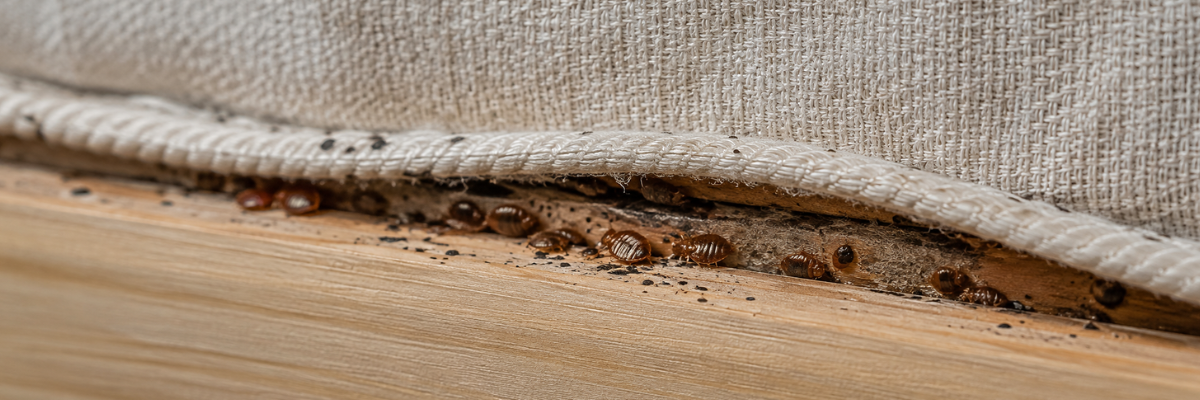



Where Do Bed Bugs Hide During the Day?
Where do bed bugs hide during the day? You may wake up with unexplained bites, inspect your mattress in daylight, and find nothing that confirms your suspicions. No visible insects, no obvious signs, and no clear explanation for the irritation can make it difficult to know what to do next.
Bed bugs are small, secretive insects that typically hide in narrow, protected spaces when they are not feeding. Although they are often associated with mattresses, they can also hide in bed frames, upholstered furniture, cracks, and other areas close to where people sleep or rest.
Knowing where to look can help you identify the early signs of an infestation and decide whether further investigation is necessary. A bed bugs pest control in coimbatore service can help inspect suspected hiding places, identify evidence of bed bug activity, and determine an appropriate treatment approach.
Why Is It Important to Know Where Bed Bugs Hide?
Bed bugs can be difficult to detect because they avoid open spaces and often remain concealed during daylight hours. By the time their presence becomes obvious, they may already be established in several hiding places around a sleeping area.
Their bites can cause itching, redness, and skin irritation, although reactions vary from person to person. Some people develop noticeable marks, while others may show little or no visible reaction. Therefore, bites alone cannot confirm that bed bugs are present.
An infestation can also cause stress and disrupt sleep. Identifying the problem early may help limit its spread to nearby furniture and other rooms.
Professional pest control services in coimbatore can help investigate suspected infestations, particularly when insects are difficult to locate or signs continue to appear despite regular cleaning.
Where Do Bed Bugs Actually Hide During the Day?
Bed bugs prefer protected spaces where they can remain undisturbed and stay relatively close to a potential host. Their hiding places may be only a few millimetres wide, so a quick inspection of an exposed surface may not reveal them.
1. Mattress Seams, Piping and Folds
Mattresses are among the first places to inspect when bed bugs are suspected. However, the insects may be concentrated along the edges rather than on the open sleeping surface.
Check the following areas carefully:
Seams and stitched edges
Piping around the mattress
Fabric folds and labels
Corners and the underside of the mattress
Small tears or openings in the fabric
Look for live insects, shed skins, tiny pale eggs, and dark spots that may indicate bed bug activity. Avoid assuming that every dark mark or stain is caused by bed bugs; several types of debris can look similar.
2. Bed Frames and Headboards
Bed frames can provide numerous hiding places, especially when they have joints, screw holes, cracks, or overlapping components.
Wooden frames may contain narrow gaps around joints, while metal frames can have openings around fasteners and connecting parts. Headboards deserve particular attention because bed bugs may hide behind them or in the gaps between the headboard and wall.
Inspect these areas using a torch. If practical, check the underside of the frame and the points where different parts connect.
3. Sofas, Chairs and Upholstered Furniture
Bed bugs do not live exclusively in beds. Sofas, recliners, upholstered chairs, and other furniture can provide suitable hiding places when people spend time sitting or resting there.
Pay attention to cushion seams, fabric folds, piping, gaps beneath cushions, and the underside of upholstered furniture. If you frequently rest on a sofa and suspect bed bugs, inspect it rather than concentrating only on the bedroom.
Bed bugs may also spread through the movement of infested furniture, clothing, luggage, and other belongings.
4. Curtains and Nearby Furnishings
Curtains and other fabric items near a bed may occasionally harbour bed bugs, particularly when their folds or attachment points offer protected spaces.
Inspect curtain hems, pleats, folds, and the areas around curtain fittings if you have found other signs of bed bug activity nearby. Also check bedside tables, drawers, and furniture close to the sleeping area.
Not every fabric item in an affected room will contain bed bugs, so focus your inspection on areas with evidence of activity.
5. Wall Cracks and Skirting Boards
Small gaps in walls, spaces between skirting boards and flooring, and openings behind loose fittings can provide additional hiding places.
Inspect cracks near the bed, gaps behind furniture, and the edges of flooring. Bed bugs may also hide behind loose wallpaper or within narrow spaces around wall-mounted fixtures.
These locations can be harder to inspect thoroughly. If you suspect activity inside a wall or another inaccessible space, avoid dismantling fixtures unnecessarily and consider a professional inspection.
6. Electrical Outlet Areas and Other Narrow Gaps
Bed bugs may occasionally hide around electrical outlets, switch plates, and other narrow structural gaps, particularly when an infestation is established.
Do not insert tools into electrical outlets, remove electrical fittings, or apply liquid insecticides inside them. These actions can create electrical and chemical safety hazards.
If you suspect bed bug activity around electrical fittings, ask a qualified pest control professional to assess the area and recommend a safe treatment method.
Common Mistakes People Make When Looking for Bed Bugs
Finding bed bugs requires more than checking the mattress surface. Certain inspection and treatment mistakes can make an infestation harder to identify or manage.
Checking only the top of the mattress: Bed bugs often hide along seams, folds, corners, and the underside of the mattress. Inspecting only the sleeping surface can cause you to miss important evidence.
Assuming bites confirm bed bugs: Skin reactions can have several causes, including other insects and skin conditions. Look for physical evidence of bed bugs rather than relying on bite marks alone.
Treating only the bed: Bed bugs may occupy nearby furniture, headboards, skirting boards, and other protected spaces. Focusing on the mattress alone may leave other hiding places untreated.
Relying entirely on household sprays: Some products may kill exposed insects but fail to reach those concealed in cracks or fabric folds. Certain products may also be unsuitable for mattresses or other surfaces where people sleep. Always follow the product label and avoid unapproved applications.
Discarding furniture without confirming the problem: Replacing a mattress or sofa does not guarantee that an infestation will be eliminated. Bed bugs may remain elsewhere in the room, and moving infested items can spread them to other locations. Confirm the source and consider appropriate treatment before discarding belongings.
What Does Effective Bed Bug Control Involve?
Successful bed bug control depends on identifying the affected areas and choosing treatment methods suitable for the extent of the infestation.
1. Thorough Inspection
A detailed inspection focuses on mattress seams, bed frames, headboards, nearby furniture, cracks, and other possible hiding places. The aim is to identify physical evidence, assess the extent of the problem, and determine which areas require attention.
2. Appropriate Treatment
Treatment options may include professionally applied insecticides, suitable heat treatments, and other methods selected according to the property and infestation. No single approach is appropriate for every situation.
Any treatment used on mattresses, upholstered furniture, or sleeping areas must be suitable for those locations and applied according to its instructions.
3. Attention to All Affected Hiding Places
Treating only the most obvious location may leave bed bugs in nearby furniture or structural gaps. Treatment should address the areas identified during the inspection, with precautions appropriate to each surface.
Items that can be laundered may benefit from washing and drying at temperatures suitable for the fabric. Other belongings may require different handling based on their materials and the recommended treatment plan.
4. Follow-Up and Monitoring
Bed bug eggs and concealed insects can make infestations difficult to eliminate in a single visit. Follow-up inspections and additional treatment may be necessary, depending on the method used and the findings.
Monitoring for live insects and other signs helps determine whether further action is needed. Follow the professional’s instructions about cleaning, re-entering treated areas, and using the bed or furniture after treatment.
How Can You Check for Bed Bugs Safely?
If you suspect bed bugs, a careful inspection can help you gather useful evidence without disturbing the affected area unnecessarily.
Prepare a torch: Good lighting makes it easier to inspect seams, joints, and narrow gaps.
Examine the mattress: Check piping, labels, corners, folds, and the underside where accessible.
Inspect the bed frame: Look at screw holes, joints, cracks, and the back of the headboard.
Check nearby furniture: Examine sofa seams, bedside tables, upholstered chairs, and other resting areas.
Look for physical evidence: Search for live insects, shed skins, eggs, and small dark spots. If possible, take a clear photograph of any suspected insect for identification.
Avoid moving items between rooms: Moving potentially infested bedding, furniture, or luggage without precautions may spread bed bugs.
Seek help if evidence remains unclear: A professional inspection can help distinguish bed bugs from other insects and identify areas that require treatment.
Bite marks alone are not sufficient to establish an infestation. Physical evidence and a proper inspection provide a more reliable basis for deciding what to do next.
Frequently Asked Questions
Where do bed bugs hide when they are not in the bed?
Bed bugs can hide in sofa seams, upholstered chairs, headboards, bed frames, bedside furniture, wall cracks, skirting boards, and other narrow spaces near sleeping or resting areas. Their exact hiding places depend on the layout of the room and the extent of the infestation.
Why do bed bugs usually come out at night?
Bed bugs are generally more active when people are resting. They can respond to cues such as body heat and carbon dioxide to locate a potential host. However, they are not exclusively active at night and may feed during the day when conditions allow.
Can bed bugs survive without feeding?
Yes. Bed bugs can survive for extended periods without a blood meal, although survival depends on factors such as temperature, life stage, and environmental conditions. This is one reason an unused room or an empty bed does not necessarily eliminate an infestation.
Do bed bugs only live in mattresses?
No. Mattresses are common hiding places, but bed bugs can also occupy bed frames, headboards, upholstered furniture, cracks, and other protected spaces near people. Inspecting the surrounding area is important when an infestation is suspected.
How can I tell if I have bed bugs if I cannot see any insects?
Look for supporting evidence such as shed skins, eggs, dark spots, or live insects around mattress seams and furniture joints. Unexplained bites alone do not prove that bed bugs are present. If you cannot identify the source, a professional inspection can help clarify the problem.
Can bed bugs hide in walls?
Bed bugs can occupy narrow gaps, cracks, and spaces behind loose fittings or wallpaper. In established infestations, they may also be found in less accessible locations. Evidence around wall gaps should be assessed carefully, and electrical fittings should never be dismantled or treated with chemicals without appropriate expertise.
Does cleaning the room get rid of bed bugs?
Regular cleaning can help with inspection and remove some debris, but it does not reliably eliminate an established infestation. Bed bugs can remain hidden in furniture, structural gaps, and other protected areas. A targeted treatment plan may be necessary.
When should I contact a pest control professional?
Consider professional assistance when you find physical evidence of bed bugs, continue seeing suspected insects, or cannot locate the source of recurring activity. An inspection can help confirm the problem, assess affected areas, and determine suitable treatment and follow-up measures.
Conclusion
Bed bugs are difficult to find because they spend much of their time concealed in small, protected spaces. If you are wondering where bed bugs hide during the day, start by inspecting mattress seams, bed frame joints, headboards, upholstered furniture, skirting boards, and nearby cracks.
Look for physical evidence rather than relying on bites alone, and avoid treating suspected hiding places with products that are not approved for those surfaces. If the infestation is difficult to confirm or appears to involve several areas, a professional inspection can help establish the extent of the problem and identify a suitable treatment approach.
Paradise Pest Control has over 20 years of experience working across residential, commercial, and industrial properties and has served more than 5,500 clients. If you suspect bed bugs but cannot locate their hiding places, revisit this guide on where do bed bugs hide during the day? before your next inspection. Identifying the signs early can help you take informed steps toward managing the infestation.